
Cassava Leaf Soup
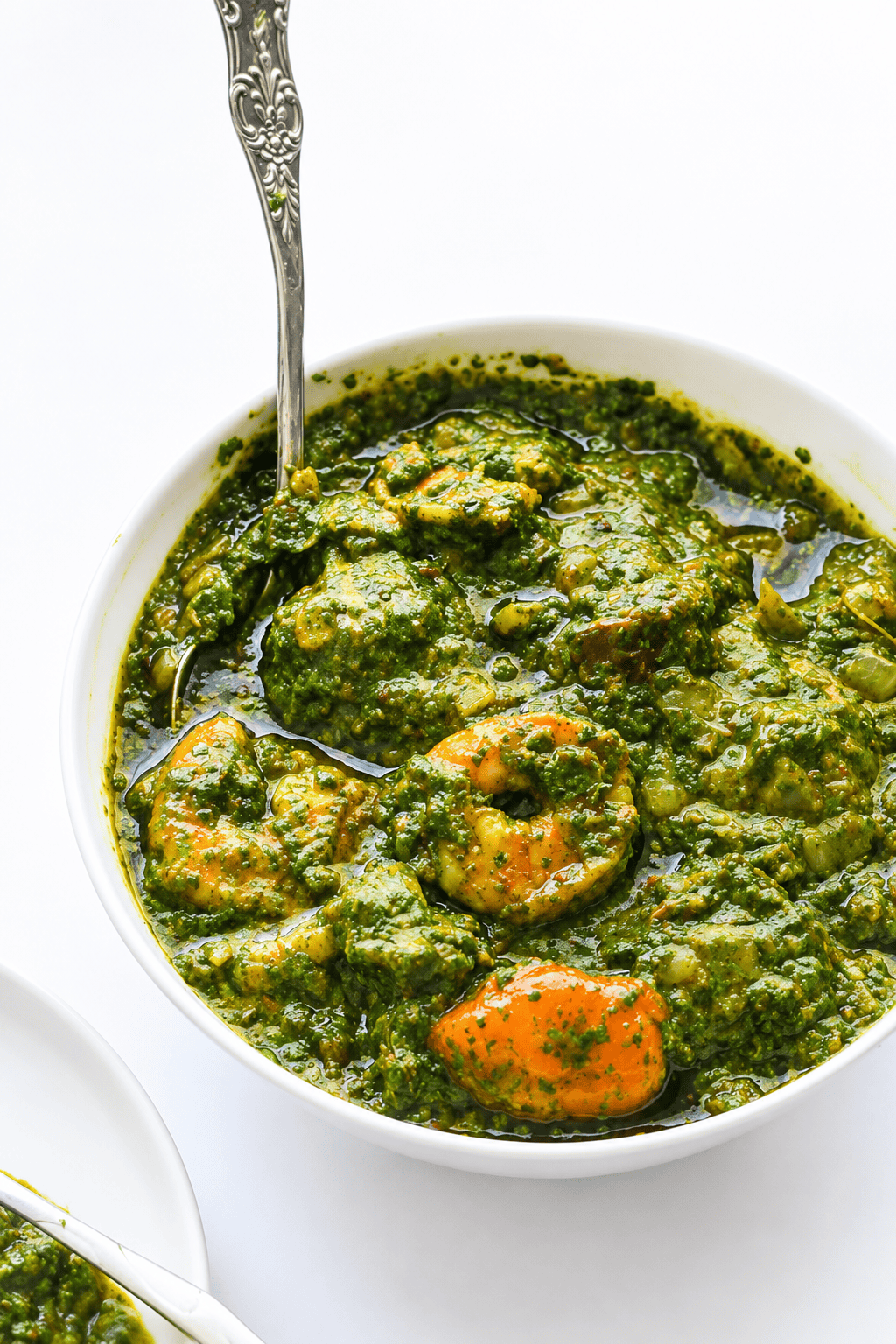
Cassava leaf soup, also known as saka saka or pondu, is a simple yet tasty and substantial soup that is widely consumed in many parts of West and Central Africa, especially in countries like Sierra Leone and Liberia.
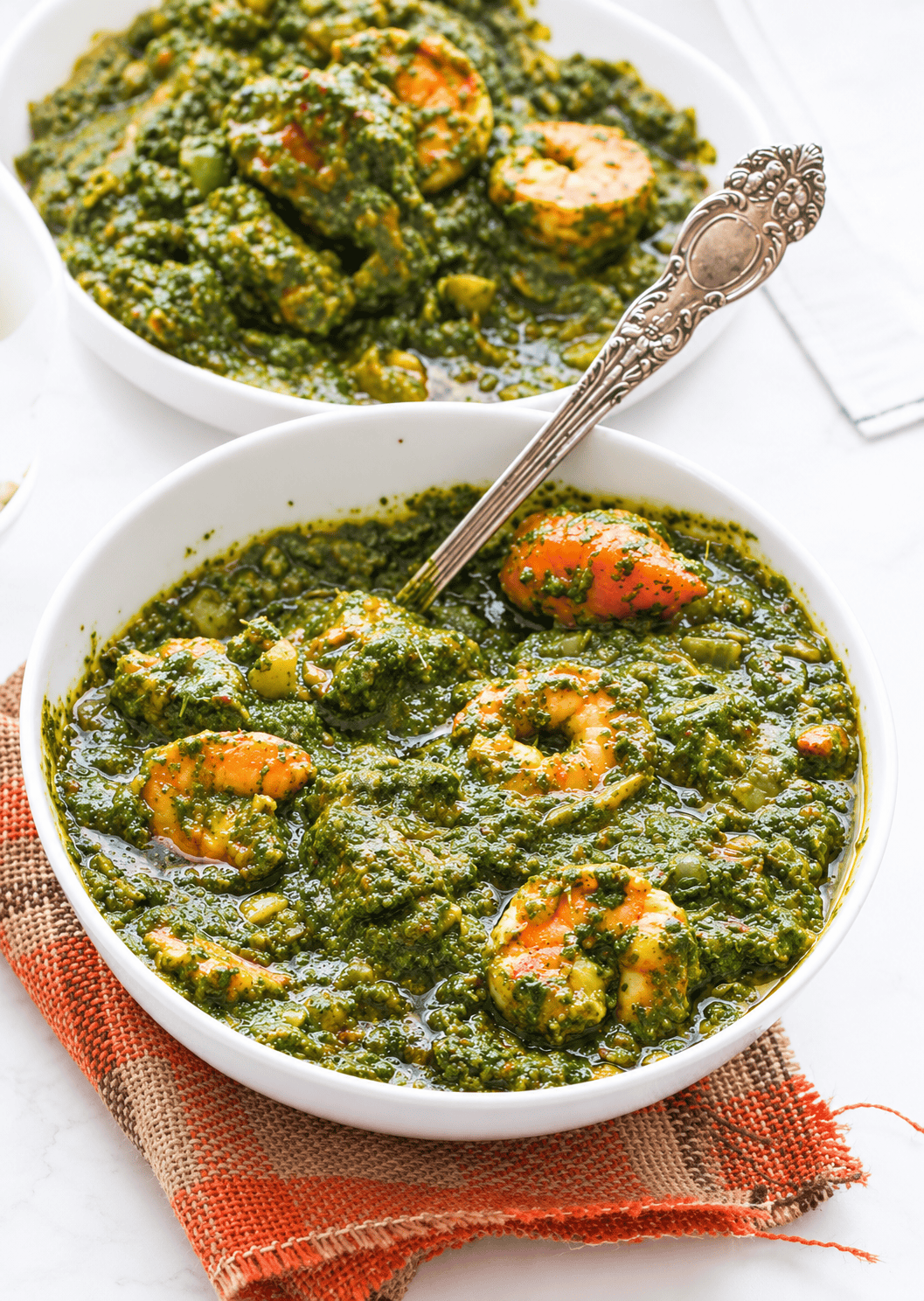
In the French-speaking parts of Cameroon, it’s disguised as nwem or kwem – a more rustic version of this dish sometimes made with fresh corn and palm oil, with or without salt (kwem sans sel).
While growing up, I particularly disliked cassava leaf soup, especially the salt-free version. However, when I tasted this Sierra Leone version from my wonderful sister-in-law, I changed my mind. Including dried shrimp, meat, and groundnut paste appealed to all my senses.
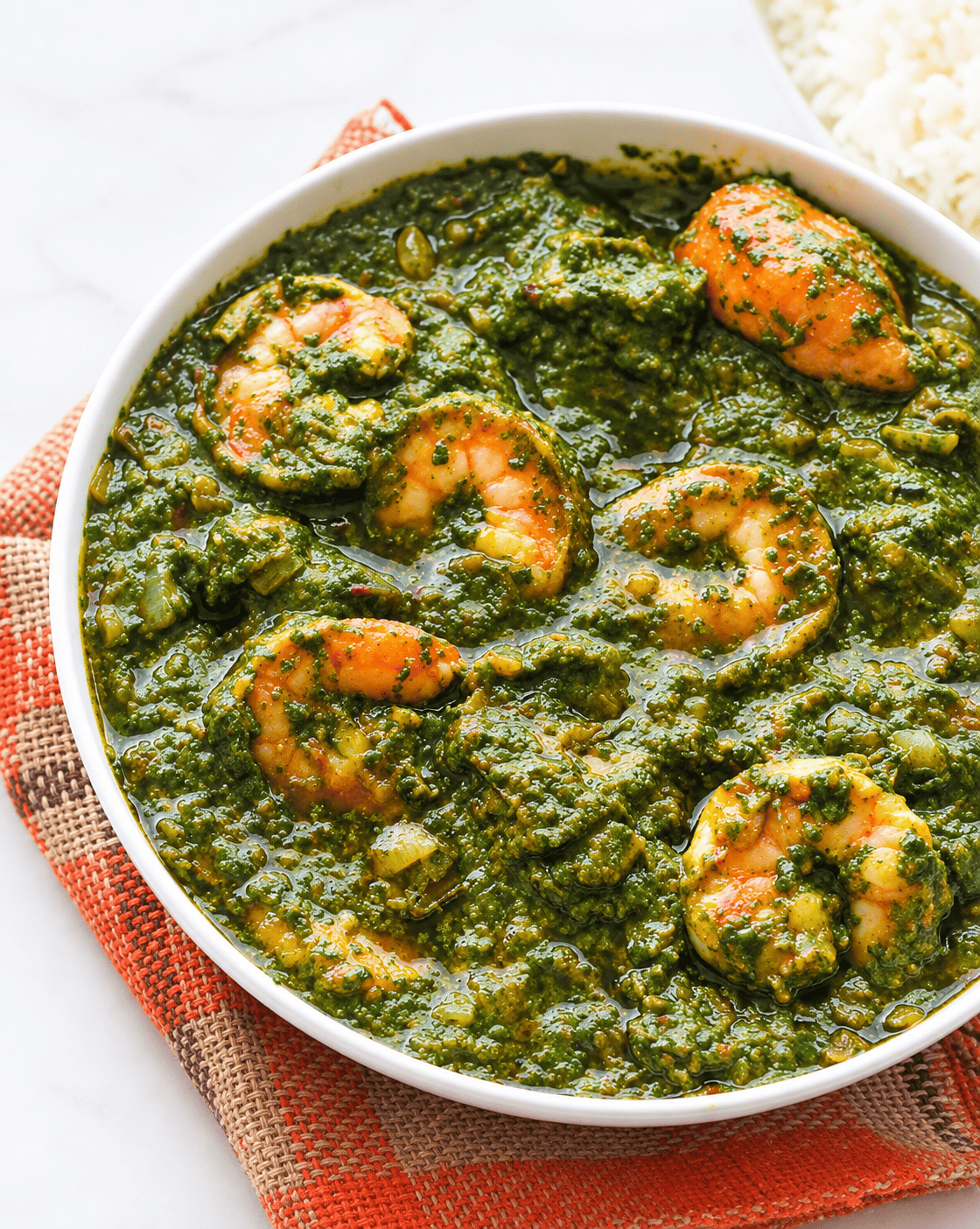
What Is Pondu and Saka Saka?
This exotic cassava leaf soup isn’t actually a soup but sort of a stew. It can be prepared with any meat or fish. Most African countries use dried or smoked fish for added flavor. I substituted smoked chicken in this recipe because that is what’s readily available in my neck of the woods. Another good substitute is smoked turkey.
As tasty as this delicacy is, it has its challenges. Both raw cassava root (yuca) and the leaves are toxic when eaten raw. Please check the package to make sure they were properly boiled before adding them to the soup.
How to Make Cassava Leaf Soup
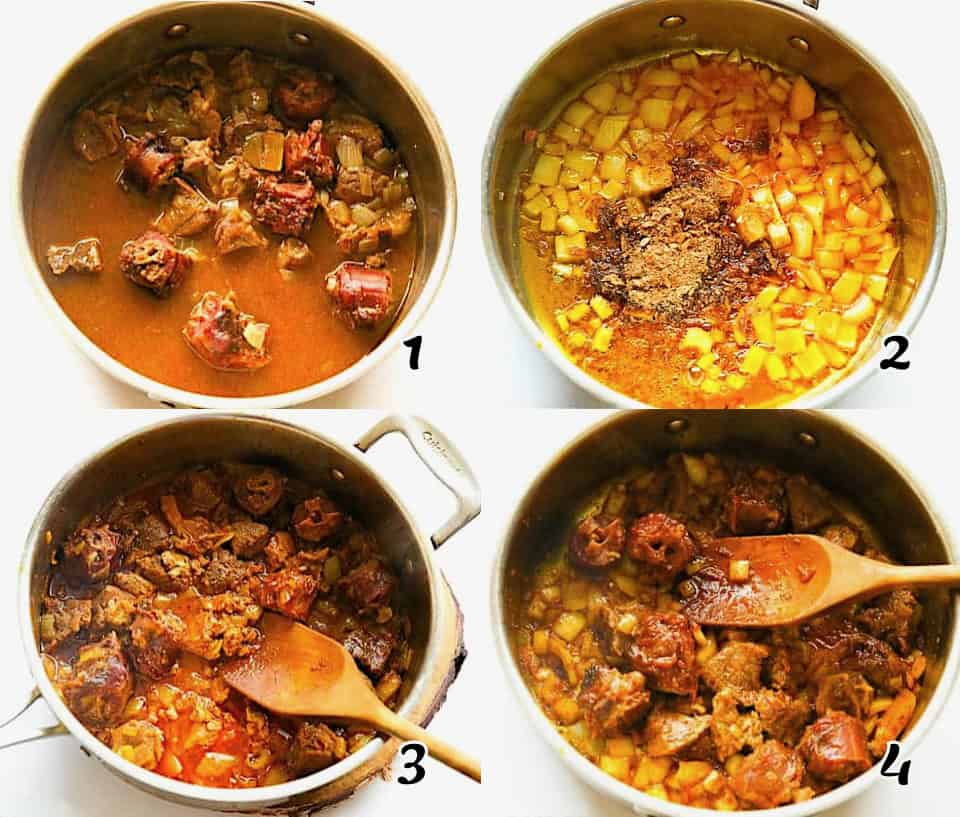
- Cook the meat, strain, make the soup’s flavor base, and add the meat, along with the smoked chicken, back to the pot.
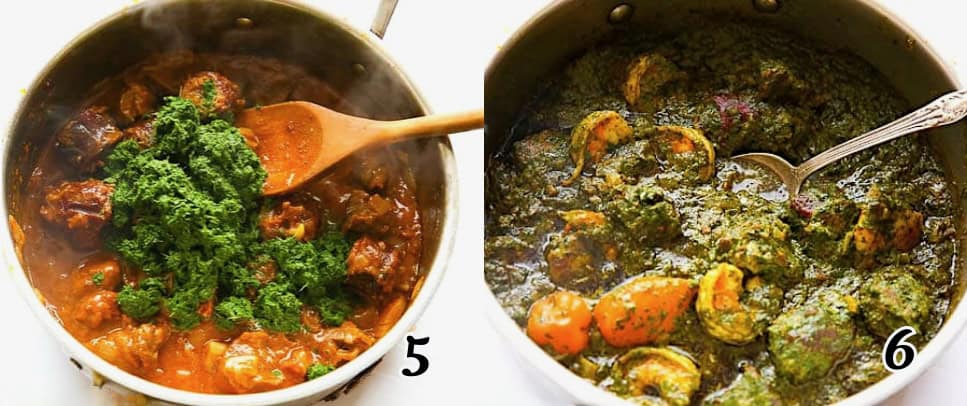
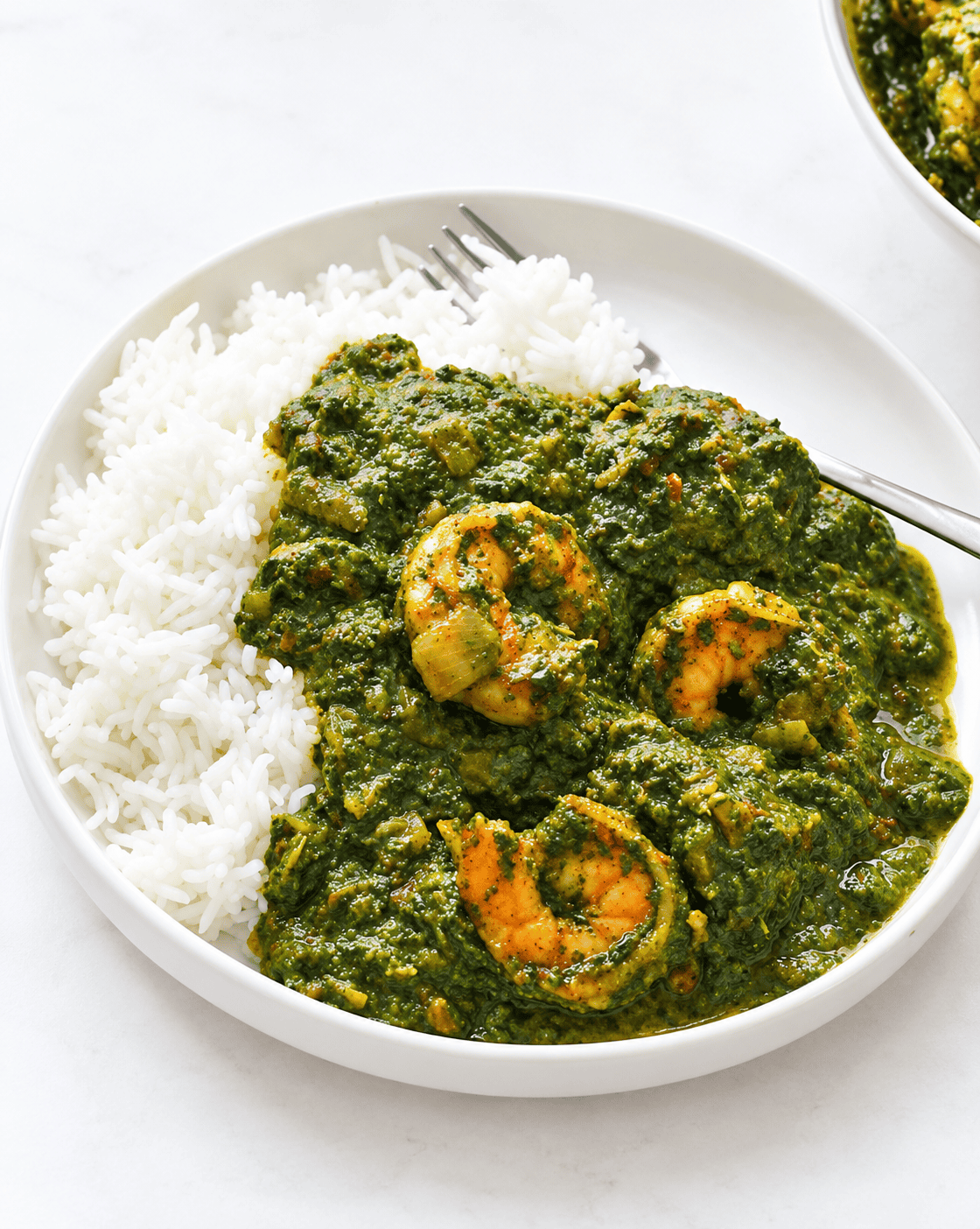
- Simmer, add the prepped cassava leaves, add the shrimp, heat through, and serve over white rice. We also pair it with fufu, pounded yams, and fried plantains. Enjoy!
Recipe Notes
- Pulse fresh, raw cassava leaves in a blender then boil them for a couple of hours and discard the water if you’re lucky enough to have access to them. That will get rid of the bitterness.
- Cassava leaves are available ground and frozen in most African and Filipino stores if you live in the States. A good substitute is frozen chopped spinach if you can’t find them.
- This soup freezes well for 3-4 months or stays fresh in the fridge for 3-4 days, so go ahead and make it ahead if you want.
More Comforting African Recipes to Enjoy
By Imma
This blog post was originally published in January 2014 and has been updated with additional tips and beautiful photos.
Cassava Leaf Soup
Ingredients
- 3 pounds (1.5kg) frozen cassava leaves (thawed)
- 1 pound (450g) beef, cut into bite-sized pieces
- 1 tablespoon (15g) chicken bouillon or Maggi powder
- 1 medium onion, coarsely chopped
- 2 cups (480ml) water (more if needed)
- ½-1 cup (120-240ml) red palm oil (see notes)
- 1 medium onion, diced
- ½ cup (25-30g) ground crayfish or dried shrimp
- ½ pound (250g) smoked chicken, turkey, or fish
- 4-5 tablespoons (60-80g) groundnut paste or peanut butter
- 1 scotch bonnet pepper or ½ teaspoon cayenne pepper (optional)
- ½-1 pound (450-900g) shrimp, peeled and deveined (optional)
- salt and pepper to taste
Instructions
- Thaw, rinse, and drain the cassava leaves, then squeeze the extra moisture out. If the package says they were properly boiled, continue with the recipe. However, if they’ve only been parboiled, you’ll want to boil them for around 30 minutes, then drain the excess moisture before using. If using fresh leaves, pulse them in a blender and boil them for a couple of hours to get the bitterness out.
- Season the meat with salt and Maggi, add it to a large saucepan with an onion, cover with water, and simmer until tender. How long that takes depends on the choice of meat, but plan on at least 1½ hours.
- Turn off the heat, strain the meat, and reserve the stock. You should have 1-2 cups of liquid. Set the meat and stock aside.
- Heat the oil in a large saucepan over medium heat, add the diced onion and crayfish, and sauté until fragrant (1-2 minutes). Add the beef and smoked meat.
- Stir in groundnut paste or peanut butter and scotch bonnet pepper, then add about a cup of stock, and cook for another 5 minutes.
- Toss in the drained cassava leaves and continue cooking for about 25 more minutes.
- Finally, add shrimp if using and cook until it turns pink (3-5 minutes).
- Adjust seasonings and consistency with Maggie, salt, and broth to taste. Serve hot over rice and enjoy.
Tips & Notes:
- It can be prepared with any meat or fish. Most African countries use dried, smoked fish in their soups for added flavor.
- Red palm oil is NOT the controversial palm oil. It has a buttery nuttiness with a pleasant bitterness and slight fruitiness. And while we Africans use a lot, it will still taste great if you reduce it to a couple of tablespoons or even use canola instead.
- Fresh, raw cassava leaves are toxic. Please make sure they’ve been cooked properly before adding them to the soup.
- If you can’t find cassava leaves, chopped spinach is a good substitute. You’ll want to blend it in a food processor for the fine consistency that is distinctive of this soup.




This recipe is simple to follow . I will try it.
Great! Do let us know how it works out for you. Thanks
I’m planning to make this tomorrow and have been searching for a straight forward recipe all and finally found yours. I hope it comes out great.
Ohhh you will love it! Thank you for trying out my recipe, Kelly!
Good dish. My mom and I are making it. Now as we have our whole lives we’ are Sierra Leonean. One thing Salone is not in central Africa very misleading were west African so are our dishes! Great work!
Thank you for the feedback, Z!
Love this recipe! This has been my favourite Sierra Leonean dish for some time, but didn’t know how to make it. First attempt tonight and it turned out great. Thank you. 🙂
You are more than welcome. And if there’s a recipe you’d love to see, please let me know. Thanks:)
After seeing this recipe and seeing how clear you made it I intend to use many of them. I like how clear you make it. I’ve mad my fair share of saka saka but my neice stated that she want to be a cook and I’m in search of doable recipes. Now that I’ve found your website I’m definitely going to be using this and many more of your recipes. Thank you for taking the time to create this resource. God Bless you abundantly.
You are more than welcome. And if there’s a recipe you’d love to see, please let me know. Thanks:)Love, Imma
I am from and live in Barbados. I will try to make it because I have the ingredients. Your instructions are quite clear.
Yeah it’s pretty clear and easy. Once you try don’t forget to share how it goes:)
I have had cassava, egushi, jollof, red stew, spinach stew, moin moin, Nigerian fried rice, African pumpkin soup, peanut stew, and pepper soup. This recipe is great by the way!! I don’t have a recipe for pepper soup. I would like one for pepper soup, and would like an additional recipe I haven’t had before. Can you help me out????
Thanks for your feedback, I already have three Pepper Soup recipes you can see the links below
1. https://www.africanbites.com/goat-pepper-soup/
2. https://www.africanbites.com/african-pepper-soupchicken/
3. https://www.africanbites.com/fish-pepper-soup/
Let me know how they turned out for you 🙂
I made the dish years ago and didn’t get this information. I think because the leaves are frozen the process of a fresh leaf has been deemed safe for consumption. I can say that this would be a great thing to say in reference to someone who wanted to use fresh leaves. I didn’t have to go through the entire cooking process of the leaves and the dish smells, but the taste was outstanding. However I thank you for that information.
I love this recipe so much
Thank you! 🙂
Best recipe out here, been using it for years.
Thank you!!
Thank you, Aset! 🙂
We the Yoruba of Nigeria call this Torogongo, we typically cook it with Bush meat and palm fruit stock. However I doubt most persons my age know anything about it as it is typically the grandma’s soup you eat when you visit in the village. I will try this recipe
I am white and have cooked cassava a few times previously. However I must admit following this recipe it came out the best and even my partner who is from Nigeria is impressed. He said he is proud that I am encouraging our kids to eat African food and how much I respect his culture
That is sweet, May! Thank you for sharing with me and I am happy to be part of your family’s food and culture experience 🙂
Thank you for sharing, Jo!
Also, my husband was really happy I cooked this- he is from Mali and they call this dish fakhoye
Thanks for sharing this with us.
Mine came out a little bitter how can I fix that
I have not ran across this issue before. Maybe for next time you could try squeezing out the liquid from the cassava leaf and adding more ground paste.
Update: If you’re using fresh or dried leaves, you may want to blanch the first. Frozen cassava leaves have already been blanched. Hope that helps.
Thank you for the recipe. I made this with dried cassava leaves I found at the local market, but discovered after I cooked it that the leaves had sand in it.
How do you get rid of the sand in dried cassava leaves?
You have to wash it several times for it to be sandfree.
With regards to Fresh Cassava Leaves, do you Pulse and then Cook…or do you cook and then pulse.
Much love.
Bless!
You pulse and then cook.
Mine came out a little bitter how can I fix that
this recipe looks delicious and cant wait to try it. we grow our own casava here in NSW, Australia. Would you please give me instructions for fresh leaf casava. I understand that it has to be pounded because of the cyanide.
Hi Susan. Good question, and yes, there is a process for the fresh leaves.
You’ll want to thoroughly wash, pound or blend, and then boil them for at least two hours. That should remove the natural toxins and the bitterness.
What kind of beef do you prefer?
I prefer goat mear
Thanks for this clear recipe. I teach American English to several congolese people, and all recommend cassava leaves and, specifically, pondu. This sounds very much like one student explained her recipe. I bought frozen cassava leaves and let them thaw in their package in the fridge without meaning to, so I want to use them soon. I have some rich chicken/oxtail stock, so I will use that and some frozen shrimp. I even have palm oil from an earlier recipe, which my friends feel is critical, but I wonder about Maggi cubes. I don’t want to return to the store this week. If my stock is rich, do I need them? Are Wyler’s chicken bouillion cubes a reasonable substitute? I know my friends also recommend dried fish (“saltfish”), but since I have shrimp, I am thinking of using a little bonito flakes instead. I wasn’t sure which dried fish would be good but already have bonito flakes that I use in Korean jjigae. Any suggestions for this version? I’ll let you know how it turns out!
Hi Anni! The Wyler’s chicken bouillon cubes will work just fine and the as well as your bonito flakes. Don’t worry, you have absolutely everything you need to do this dish. Can’t wait for you to make it. Looking forward to your feedback! 🙂
This looks delicious, I would like to try it. But I’m vegetarian. Do you have any recommendations for a vegetarian variation?
You can take out the beef, shrimp, and fish. You can also use vegetable bouillon. Hope this helps. Happy cooking 🙂 !