
Chapati Recipe
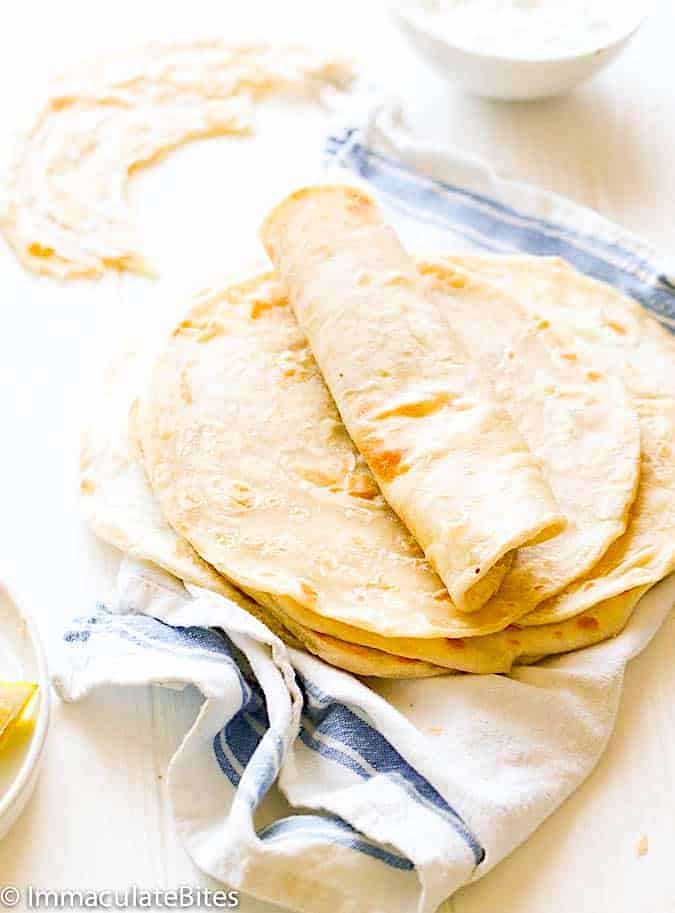
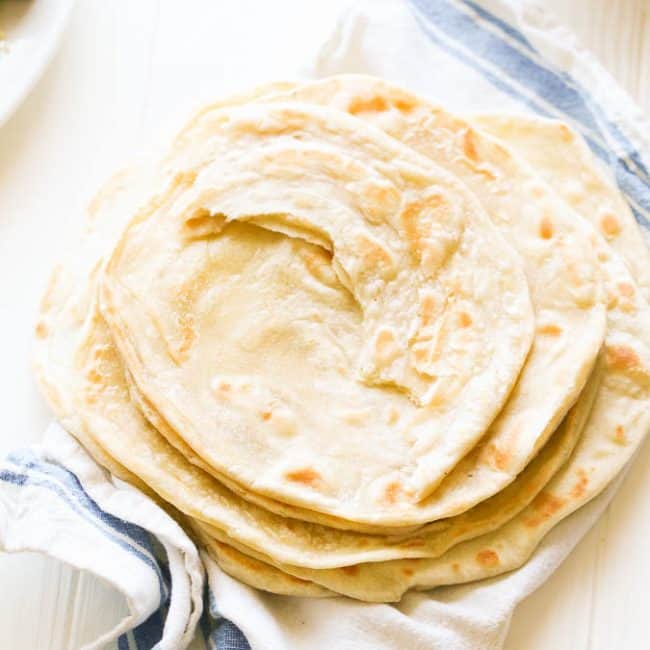
Flaky, layered, and super satisfying East African chapati with only five simple ingredients tastes way better than store-bought. The mild, nutty flavor is ideal for beef stew and other meat or veggie dishes. And what better way to relieve stress than kneading bread?
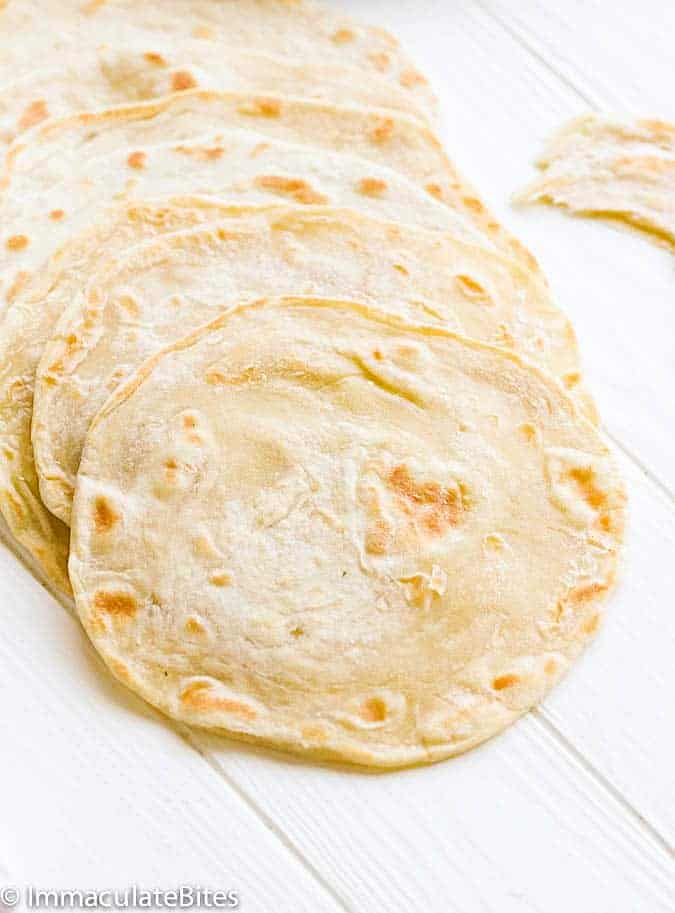
This delightful flatbread is super simple to throw together with just five ingredients and a little patience. Rolling and coiling the dough for a flaky flatbread is so worth the little time it takes. And it’s a must-have side for any East African dish.
I love kneading bread dough because it’s so relaxing. Plus, it develops the gluten for that satisfying chew we enjoy with flatbreads. Then the coil makes it light and flaky, and brushing the outer layers with oil gives it a delicately crispy edge.
Where Does Chapati Come From?
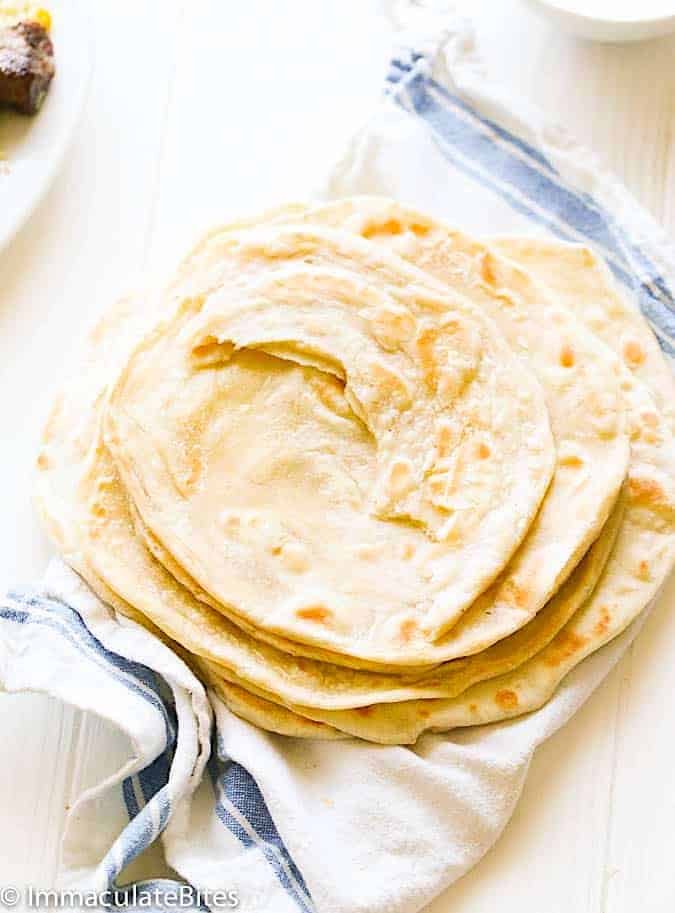
If you’ve tried East African food, especially from Tanzania, Uganda, Mozambique, Kenya, and Burundi, you are familiar with the unleavened pan-grilled bread—chapati. It’s different from Indian chapati because it’s coiled and also enjoys the deliciousness of either ghee or oil. Most say it was born in Egypt and has been in the East African culinary heritage for millennia.
How to Make Chapati
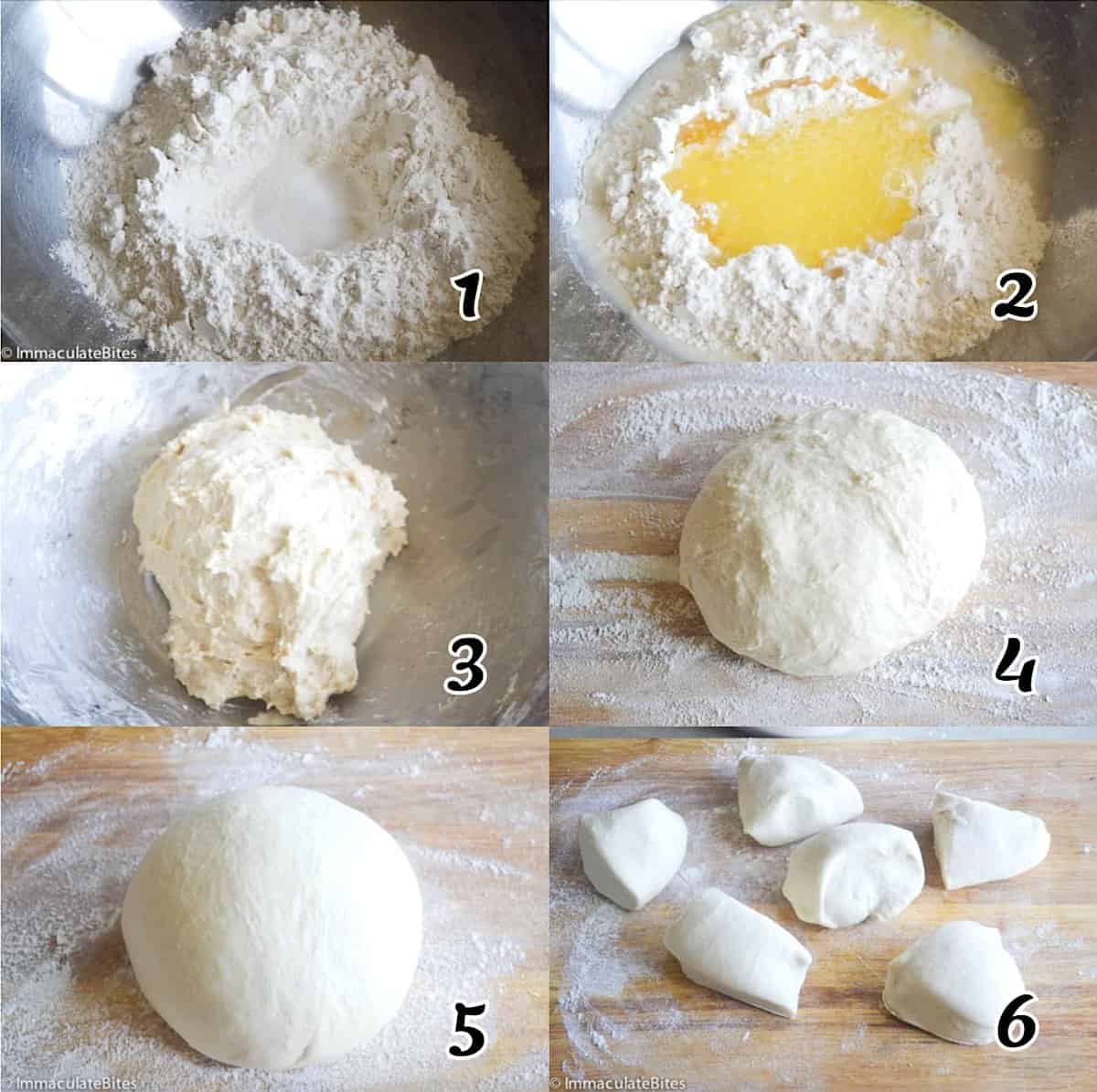
- Make the dough, knead it, let it rest, then divide it into 6-8 balls.
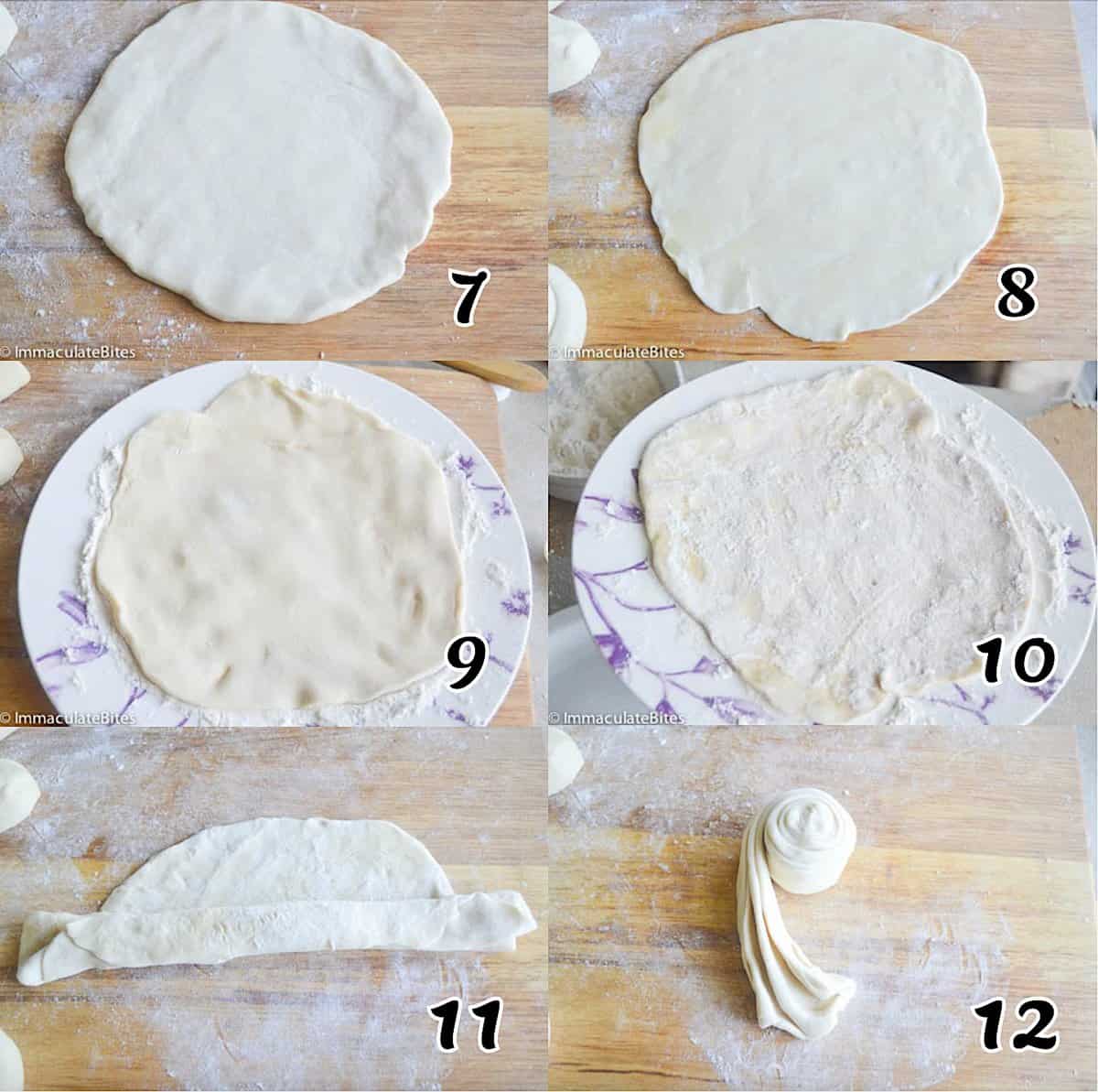
- Roll the balls into circles and dust them with flour so they don’t stick together. Fold them like a fan, then coil them.
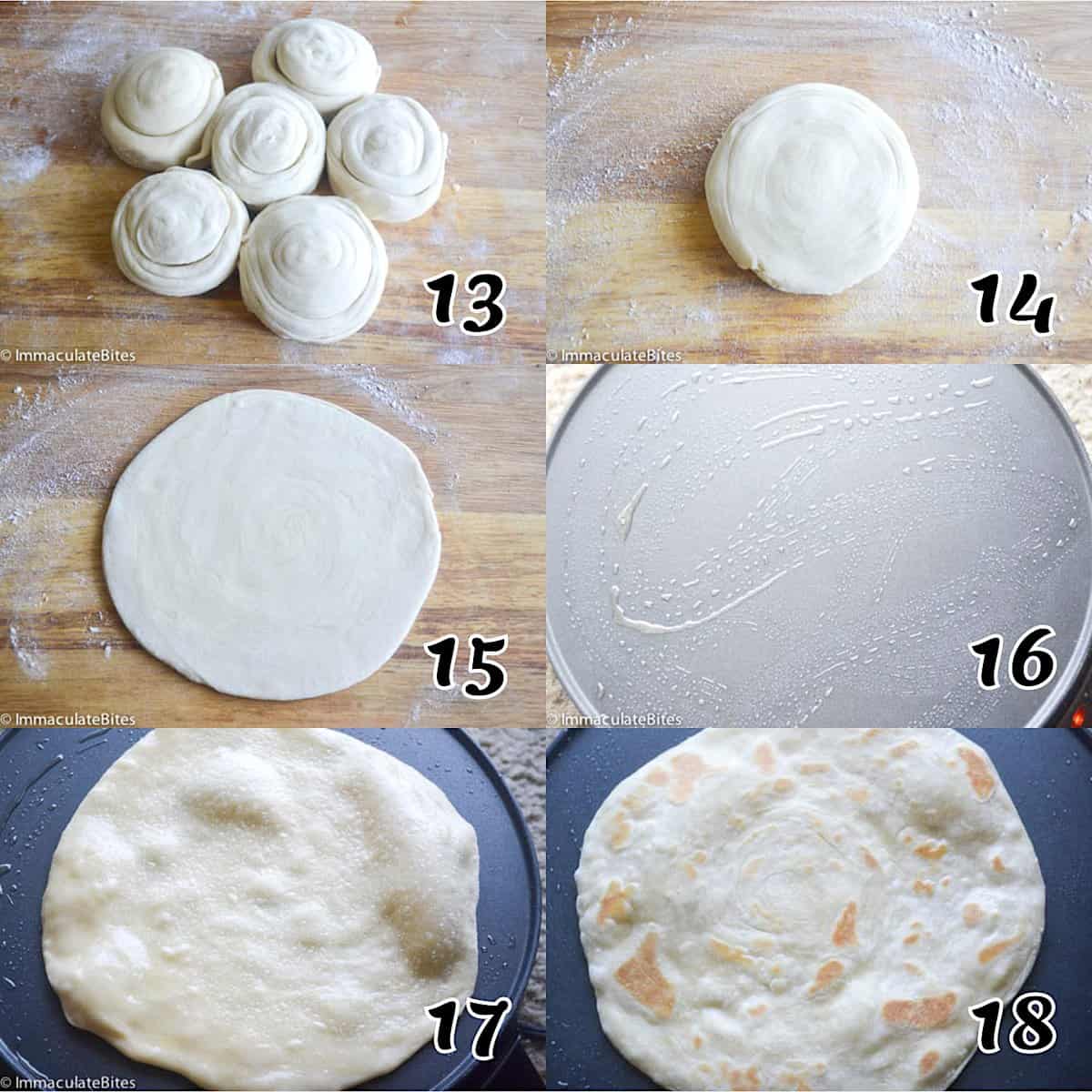
- Roll the coiled balls back into a circle and cook on an oiled griddle.
Recipe Twists and Tips
- You can add grated veggies, such as carrots, squash, and potatoes, to the dough, like in Kenyan chapatis or vegetable omelets in Uganda.
- Use a 50/50 water-to-milk ratio to make softer flatbreads.
- A non-stick pan helps prevent the bread from sticking and burning.
Make-Ahead and Storage Instructions
You can make the dough ahead, transfer it to a covered bowl, and refrigerate it for 24 hours. Allow it to rest at room temperature for an hour before rolling it into individual chapatis.
Or you can freeze the raw dough or chapatis for three months. Allow the dough to thaw and come to room temperature before cooking.
Flatbread keeps in the fridge for up to a week or in the freezer for 3-4 months. Heat them in a hot skillet for 30 seconds or wrap them in a paper towel and zap them in the microwave on medium-low for a few seconds, but the skillet is better.

Mouthwatering Recipes You Can Use With Chapati
Dip chapati in curry sauce or make a steak wrap sandwich for more deliciousness. Curry channa and aloo, African peanut stew, ground beef curry, Jamaican curry goat, and crockpot beef tips & rice are great choices.
More Comforting Flatbread Recipes to Try
Watch How to Make It
[adthrive-in-post-video-player video-id=”1m5Y3sEi” upload-date=”2019-04-01T06:51:26.000Z” name=”East African Chapati” description=”East African Chapati- Easy to make chapati that are Flaky, layered and Delicious. Made with a few simple ingredients.”]
This blog post was originally published in June 2014 and has been updated with additional tips, new photos, and a video.
Chapati Recipe
Ingredients
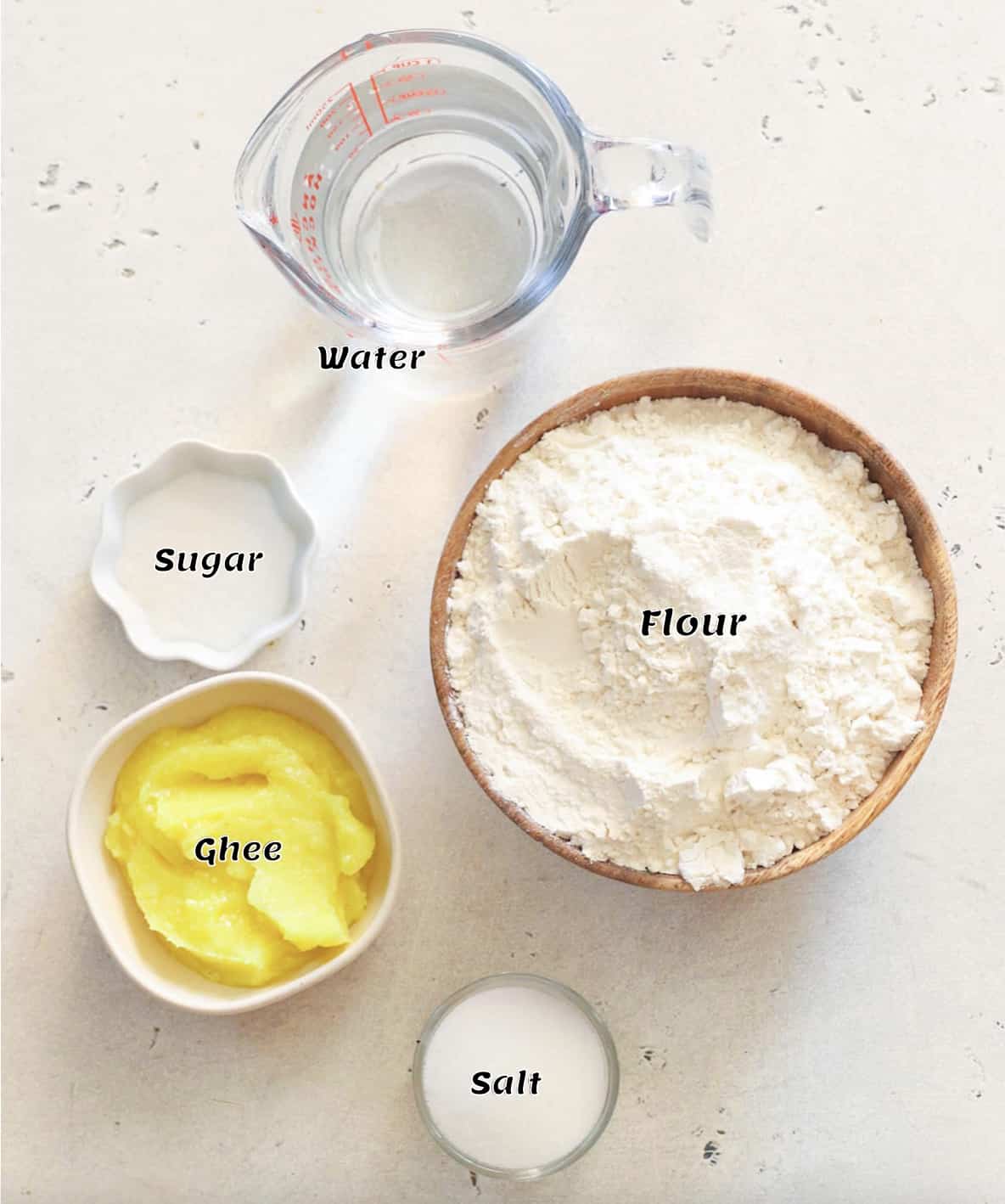
- 3 cups (360g) all-purpose flour
- 1 teaspoon (4g) sugar
- 1½ teaspoons (7-8g) salt
- 3 tablespoons (42g) ghee (clarified butter or oil)
- 1¼ cup (295ml) warm water
Instructions
- In a large bowl, add flour and make a well, then add sugar and salt, followed by water and ghee or oil.
- Knead to form a soft and sticky dough.
- Place dough on a heavily floured board and knead for 8-14 minutes. Continue to flour dough as needed to facilitate kneading. Be careful not to overdo it. The dough should be soft, elastic, and smooth.
- Divide dough into 6 or 8 pieces according to preference and let it rest. Resting helps to relax the gluten and makes it not only easier to work with but also produces tender chapati.
- Using a rolling pin, roll out the dough balls into a circle. They don't have to be perfect.
- At this stage, you may cook them. However, if you want chapatis with layers, follow the next steps.
- Lightly oil chapati dough with ghee. Be gentle.
- Then place the dough on a heavily floured plate, and press the dough down.
- Turn it over and press down again – lightly shake off excess flour.
- Shape dough like you would shape a paper fan – starting at one end and folding all the way to the opposite end.
- Then coil it up – like in the picture.
- When all the dough circles have been coiled, cover them with a damp cloth and let them rest for 20 minutes.
- Gently flatten each coiled ball and roll it out. Begin rolling from the center, working outwards.
- Rotate the dough out each time you roll it. That helps to make a perfect circle. Make sure they are not rolled out too thin. Chapatis are not meant to be thin – a ¼-inch thickness is good.
- Oil the pan. Then place the chapati on it. I used a crepe pan, but a skillet works just as well.
- Heavily oil the other side of the dough, making sure you oil the edges too.
- Cook for 2-3 minutes, rotating as needed until golden brown. Serve warm.
Tips & Notes:
- The right amount of kneading is crucial. Gluten won’t develop well without it, changing the texture. Also, oil makes the chapati soft and prevents it from drying out.
- Lukewarm water creates a smoother, more supple dough, but remember to add it gradually so the dough doesn’t get too wet.
- Resting time is also essential since it makes the dough easier to roll without breaking apart.
- Please remember that the nutritional information is a rough estimate and can vary significantly based on the products used in the recipe.




Tanzanian husband intro’s me to chapati. He puts a bit of garam masala into dough…yum!
Yum :)! Thanks for sharing, Sharon!
I love chapati! I’ve had it in Uganda! Can’t wait to try this recipe!
Awesome!!! Can’t wait to know how it turns out for you.
Excellent recipe. Delicious!!!
Aww. Thank you so much for your love 🙂
Can they be frozen and if so for how long. Having an event but need to make some things ahead .
Hi, Nancy. I freeze a lot of dough, but have never tried freezing this one. One of our readers though has tried freezing the dough and it went well. Just make sure it is completely thawed before using.
I loved this recipe, it reminded me of my mum’s cooking
Thank you so much, Busie! 🙂
This is probably the best chapati recipe I’ve ever made. Super simple, beautifully flaky… I’m obsessed!
Thank you, Ellie! 🙂
Best chapo recipe ever
Thanks Maria
Thank you, I love this recipe.
my husband is igbo and grew up eating chapati. i am always looking for ways to make his favorite African foods so i made this recipe and he loved it! so easy to follow and the chapati is light and tender.
Glad to hear this. Thanks for taking time out to share your thoughts with us.
I loved this recipe so much!thank you
Thank you for this recipe making it today 🙂
Great! Do let me know how it works out for you.
Very much like a flour tortilla. Along those lines, I found that the result was very similar both with your method as well as the standard flour tortilla method, which is to work the fat in before adding the hot water. Doing this means you no longer need the coil technique to get flaky chapatis. I also used a tortilla press both times with both methods and it worked well — if you rest the individual balls of dough for 1 hour beforehand. Just a cool little hack that might save some time.
Thanks for taking time out to share this with us. Really appreciate it.
Is the rolled chapati supposed to be 1/4 inch or 1/4 cm. Inch seems a bit thick. Also are the “cups” mentioned “measuring cups” (approx 250ml) or typical cups we use for tea ?
They are measuring cups- not teacups. It’s 1/4 inch thick, if it’s too thick roll it out to desired thickness. And proceed with the next steps. Happy Cooking!!!
I just want to thank you so much. I love your recipes so when I saw you had one for chapatis I Was sure I had found the solution, and sure enough! I was getting so frustrated cause mine were always coming out hard before .
I tried it today and they came out perfectly. I also was finally able to roll them all in circles lol!
I did it the layered way as recommended , but if I skip that step and just fry them up after kneading and letting to rest for 30 mins will they still come out as soft ? Thanks !
Hi, Clear! I am so glad this worked out for you. High-five on getting to roll them in circles lol :). And don’t worry, if you skip the layering step it will still come out soft.
lol you have no idea how happy i was! lol thanks so much. we tried your pilau rice and second time making the african chicken stew, love love love your recipes 🙂
Turned out perfectly soft, thank you so much for the recipe and clear instructions. I used a combination of plain, strong white and atta flour in equal combinations and they came out soft and layered. A real treat and a happy husband who had been missing them. Thank you and I will be back 🙂
Yay! Thanks Cheryl
Can you use another flour other than white ap? Will it come out just as delicious?
Hi, Tia. I haven’t personally tried it with other flour, but one of our readers here commented using atta flour and it turned out fine. I can’t wait to know how it turned out for you.
Cool! Really great, though not like the chapati I eat in Uganda and I’m wondering if I did anything wrong. I think they’re probably better, but I am used to the floppy thin/soft ones. I did the last steps to make it “layered” but maybe I will try the other way next time. Also I left the dough in the refrigerator for a while as it was sitting because I had to go do something, and then it was really hard to roll out, do you think that did something? Anyways still really cool, going to make rolex with them tomorrow. Cheers.
I made these chapatis tonight exactly according to the recipe and they were perfect. My family thoroughly enjoyed them with chili.Thanks for a great recipe.
do you have nutritional info on chapati
like fat, sugar, etc
Sorry we don’t at the moment.
Love it Chapati …ImmaculateBites You’re a fantastic. From Kenya Thank you!