Cassava Leaf Soup
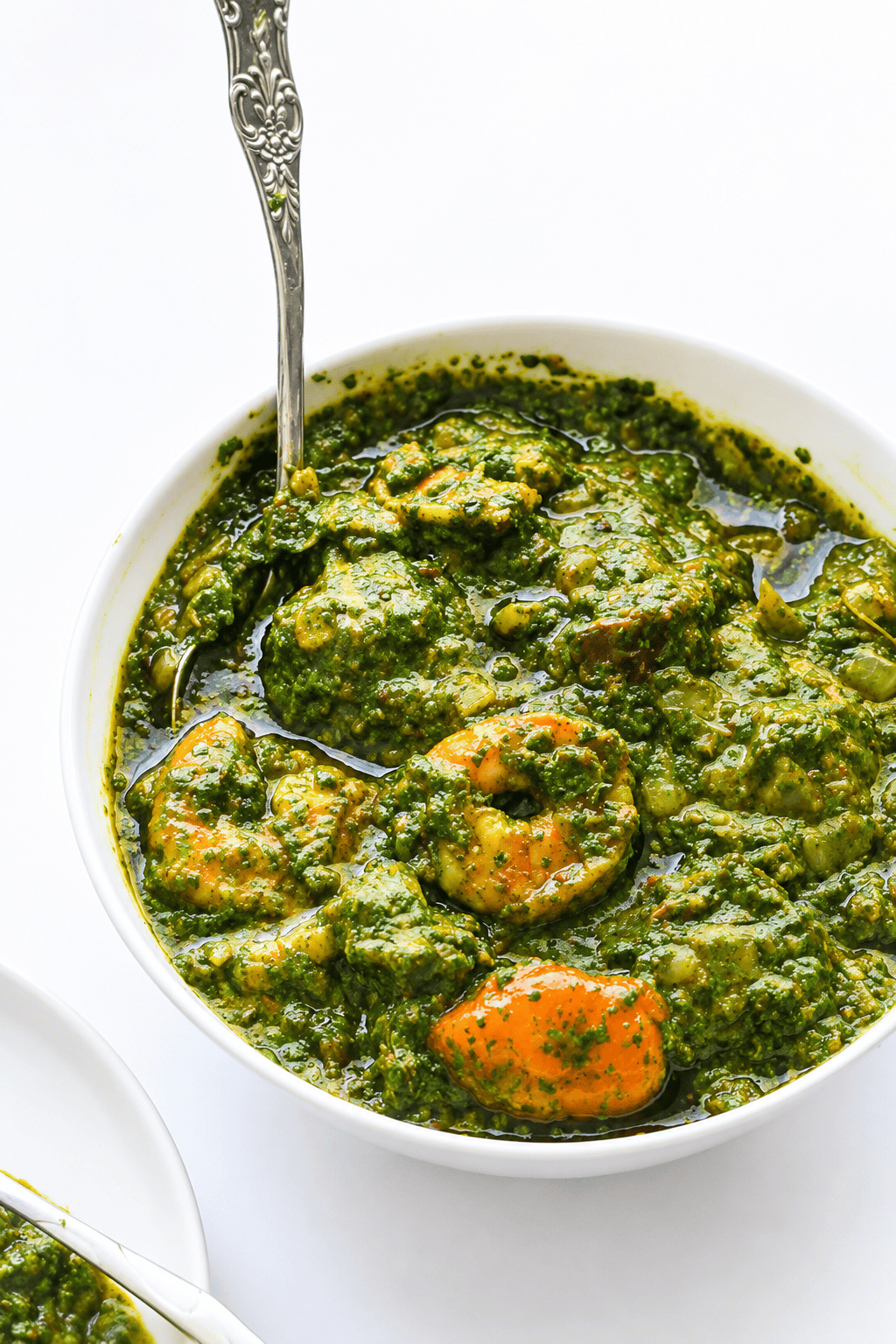
Cassava leaf soup, also known as saka saka or pondu, is a simple yet tasty and substantial soup that is widely consumed in many parts of West and Central Africa, especially in countries like Sierra Leone and Liberia.
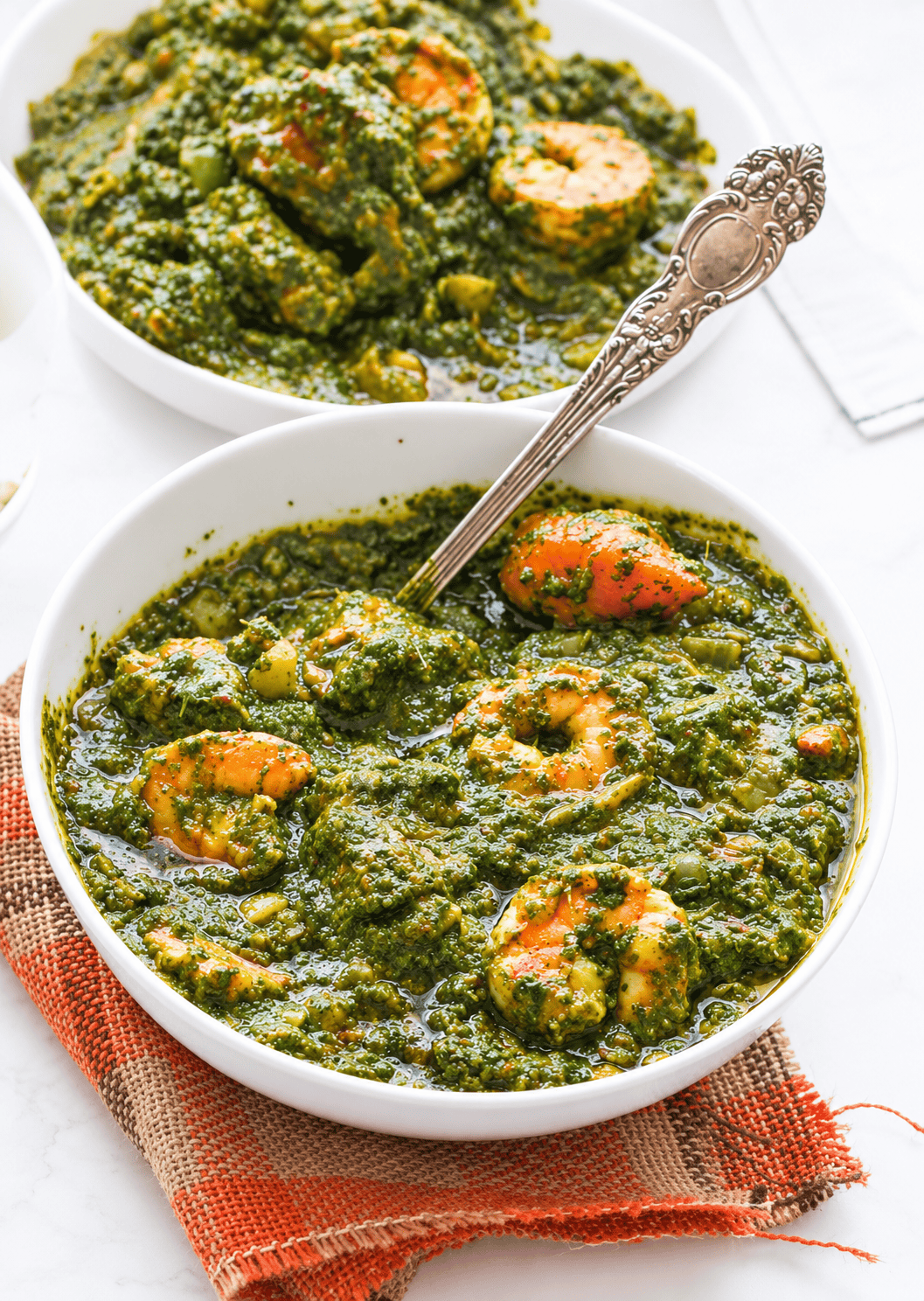
In the French-speaking parts of Cameroon, it’s disguised as nwem or kwem – a more rustic version of this dish sometimes made with fresh corn and palm oil, with or without salt (kwem sans sel).
While growing up, I particularly disliked cassava leaf soup, especially the salt-free version. However, when I tasted this Sierra Leone version from my wonderful sister-in-law, I changed my mind. Including dried shrimp, meat, and groundnut paste appealed to all my senses.
What Is Pondu and Saka Saka?
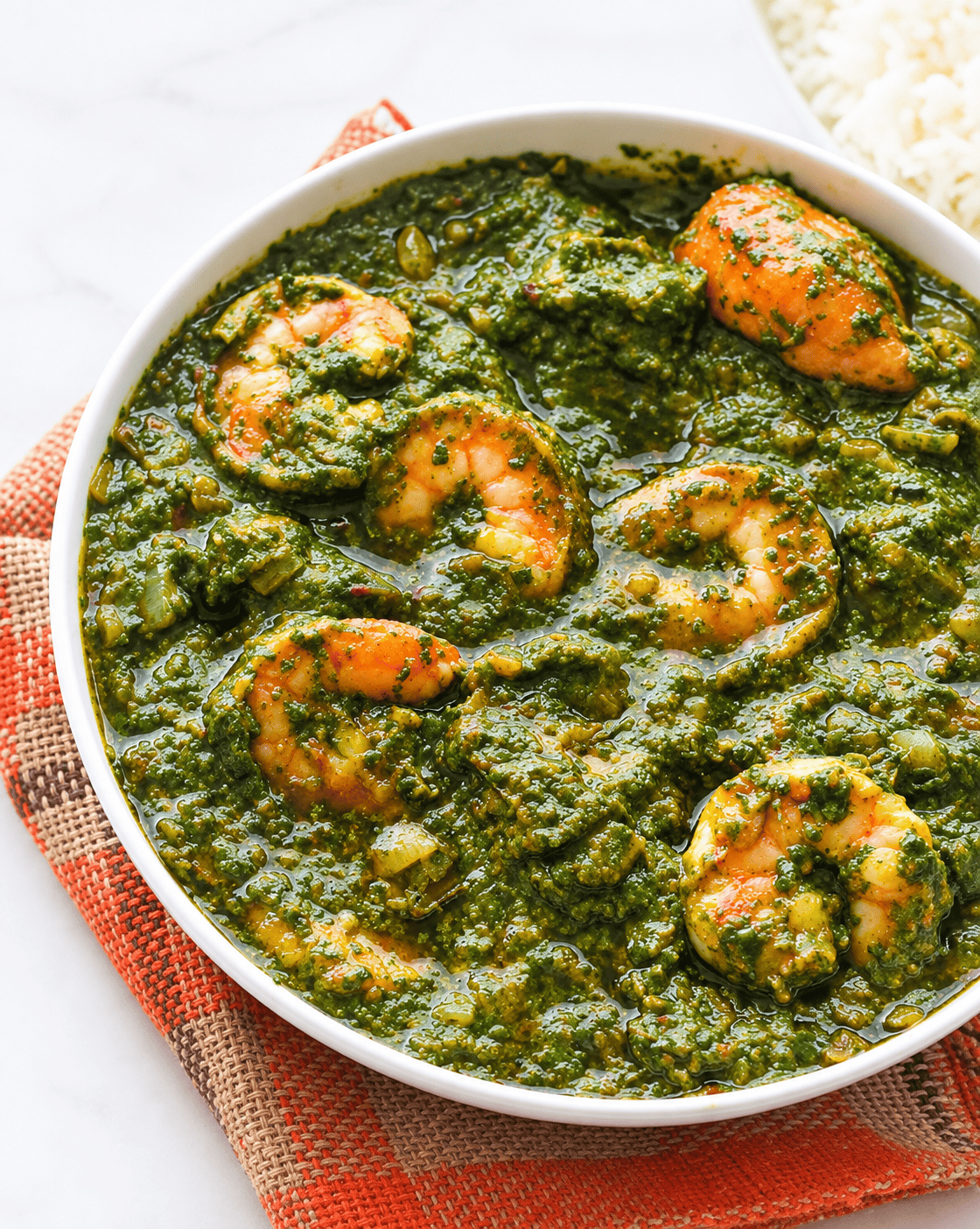
This exotic cassava leaf soup isn’t actually a soup but sort of a stew. It can be prepared with any meat or fish. Most African countries use dried or smoked fish for added flavor. I substituted smoked chicken in this recipe because that is what’s readily available in my neck of the woods. Another good substitute is smoked turkey.
As tasty as this delicacy is, it has its challenges. Both raw cassava root (yuca) and the leaves are toxic when eaten raw. Please check the package to make sure they were properly boiled before adding them to the soup.
How to Make Cassava Leaf Soup
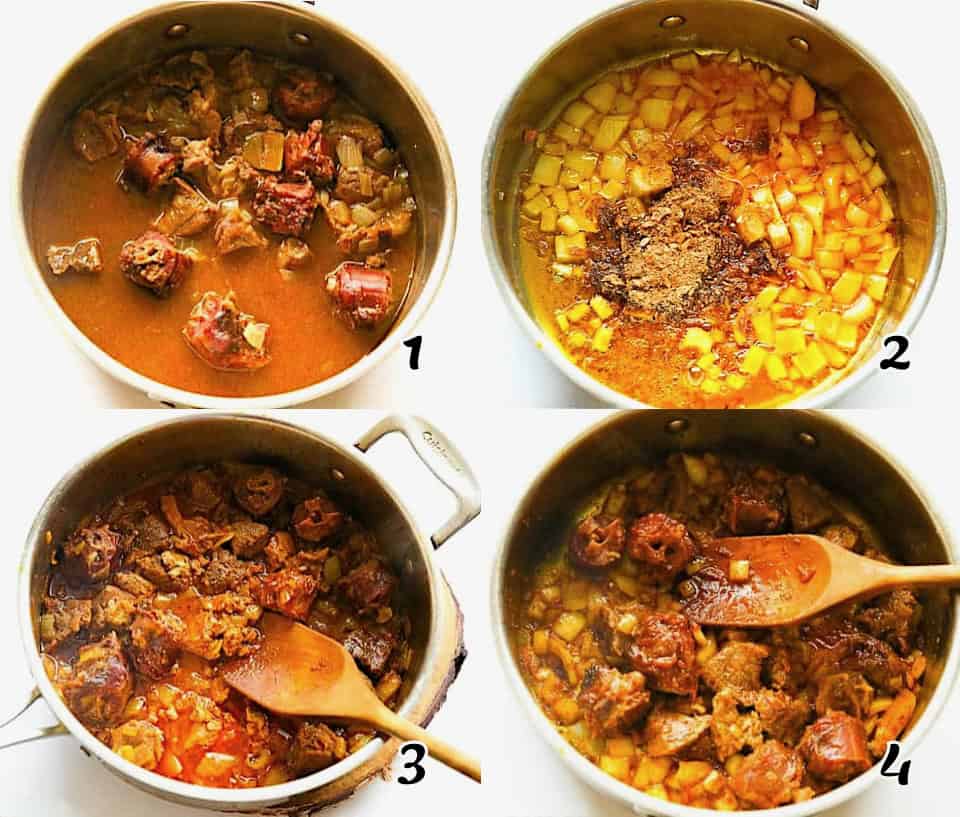
- Cook the meat, strain, make the soup’s flavor base, and add the meat, along with the smoked chicken, back to the pot.
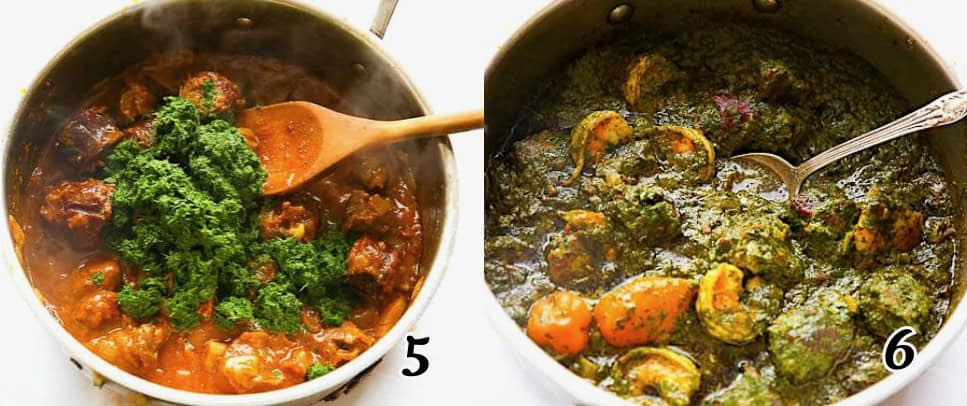
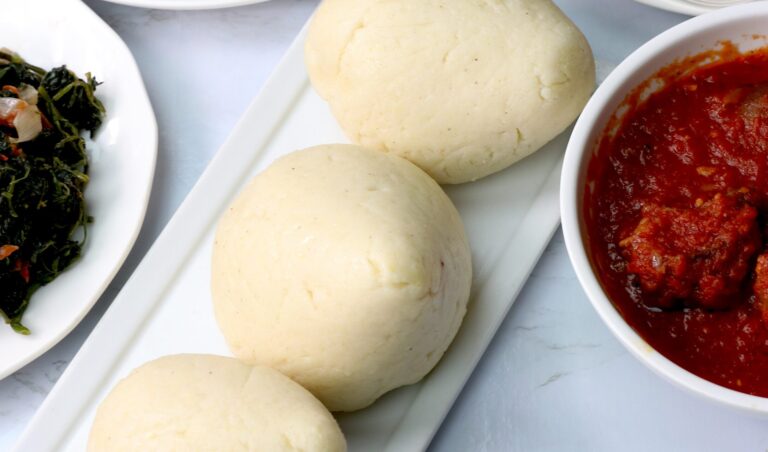
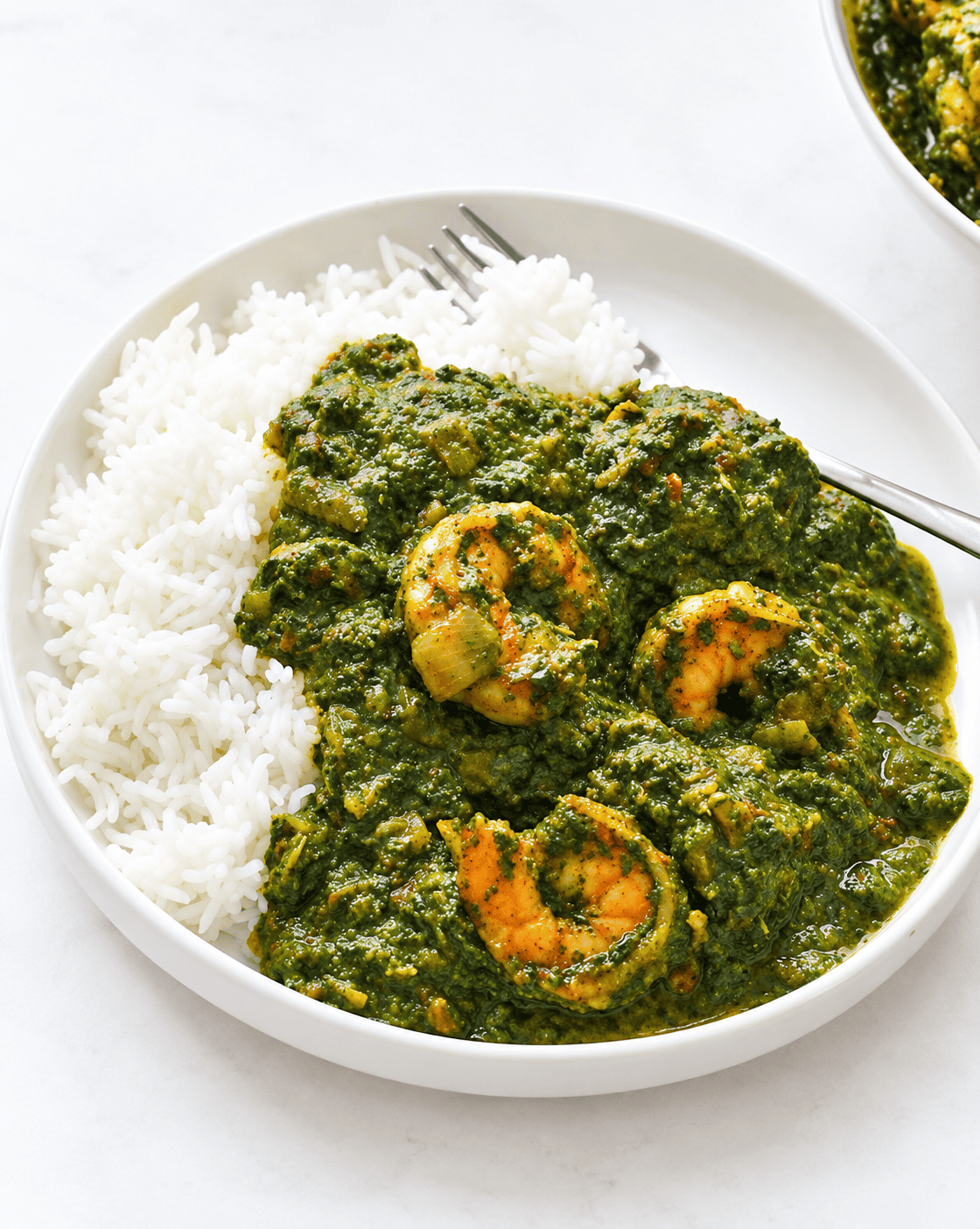
- Simmer, add the prepped cassava leaves, add the shrimp, heat through, and serve over white rice. We also pair it with fufu, pounded yams, and fried plantains. Enjoy!
Recipe Notes
- Pulse fresh, raw cassava leaves in a blender then boil them for a couple of hours and discard the water if you’re lucky enough to have access to them. That will get rid of the bitterness.
- Cassava leaves are available ground and frozen in most African and Filipino stores if you live in the States. A good substitute is frozen chopped spinach if you can’t find them.
- This soup freezes well for 3-4 months or stays fresh in the fridge for 3-4 days, so go ahead and make it ahead if you want.
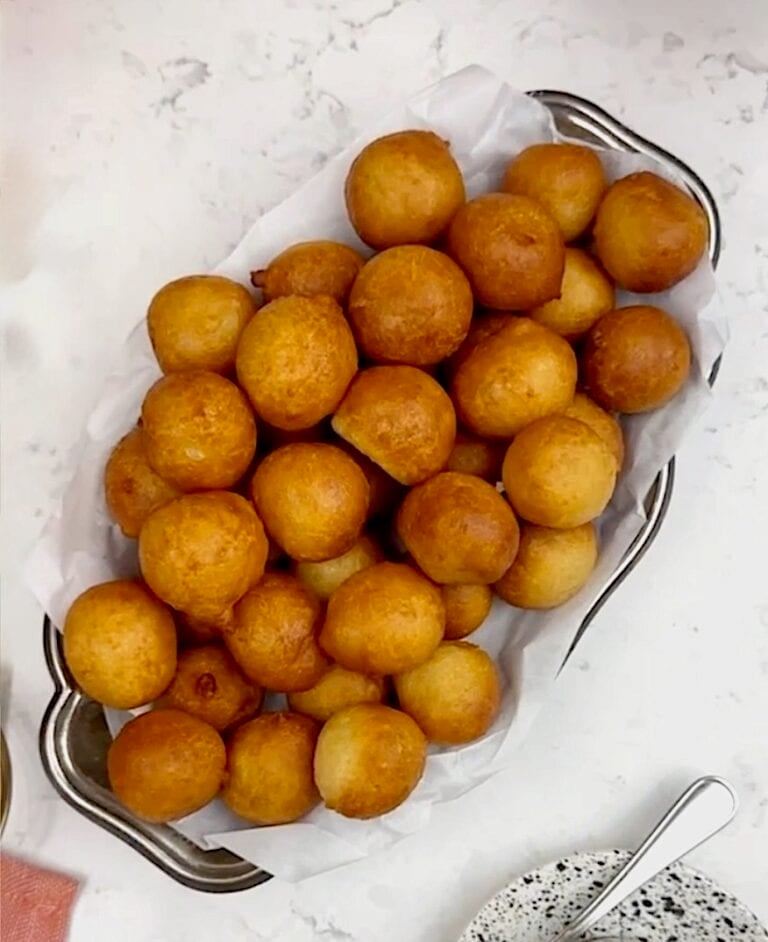
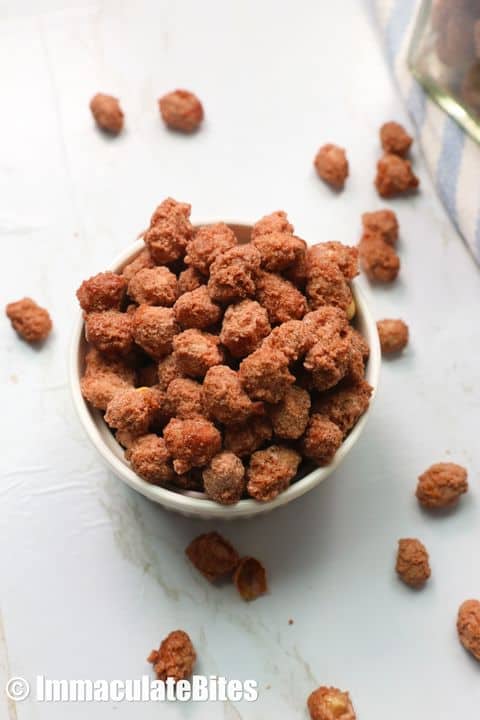
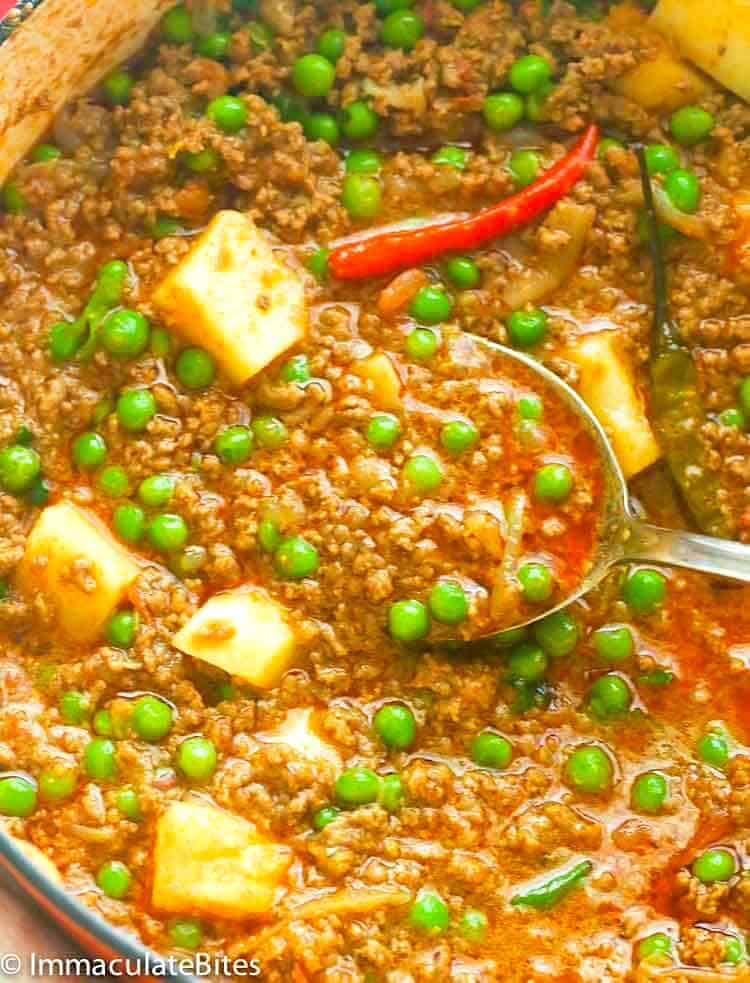
More Comforting African Recipes to Enjoy
By Imma
This blog post was originally published in January 2014 and has been updated with additional tips and beautiful photos.
Cassava Leaf Soup
Ingredients
- 3 pounds (1.5kg) frozen cassava leaves (thawed)
- 1 pound (450g) beef, cut into bite-sized pieces
- 1 tablespoon (15g) chicken bouillon or Maggi powder
- 1 medium onion, coarsely chopped
- 2 cups (480ml) water (more if needed)
- ½-1 cup (120-240ml) red palm oil (see notes)
- 1 medium onion, diced
- ½ cup (25-30g) ground crayfish or dried shrimp
- ½ pound (250g) smoked chicken, turkey, or fish
- 4-5 tablespoons (60-80g) groundnut paste or peanut butter
- 1 scotch bonnet pepper or ½ teaspoon cayenne pepper (optional)
- ½-1 pound (450-900g) shrimp, peeled and deveined (optional)
- salt and pepper to taste
Instructions
- Thaw, rinse, and drain the cassava leaves, then squeeze the extra moisture out. If the package says they were properly boiled, continue with the recipe. However, if they’ve only been parboiled, you’ll want to boil them for around 30 minutes, then drain the excess moisture before using. If using fresh leaves, pulse them in a blender and boil them for a couple of hours to get the bitterness out.
- Season the meat with salt and Maggi, add it to a large saucepan with an onion, cover with water, and simmer until tender. How long that takes depends on the choice of meat, but plan on at least 1½ hours.
- Turn off the heat, strain the meat, and reserve the stock. You should have 1-2 cups of liquid. Set the meat and stock aside.
- Heat the oil in a large saucepan over medium heat, add the diced onion and crayfish, and sauté until fragrant (1-2 minutes). Add the beef and smoked meat.
- Stir in groundnut paste or peanut butter and scotch bonnet pepper, then add about a cup of stock, and cook for another 5 minutes.
- Toss in the drained cassava leaves and continue cooking for about 25 more minutes.
- Finally, add shrimp if using and cook until it turns pink (3-5 minutes).
- Adjust seasonings and consistency with Maggie, salt, and broth to taste. Serve hot over rice and enjoy.
Tips & Notes:
- It can be prepared with any meat or fish. Most African countries use dried, smoked fish in their soups for added flavor.
- Red palm oil is NOT the controversial palm oil. It has a buttery nuttiness with a pleasant bitterness and slight fruitiness. And while we Africans use a lot, it will still taste great if you reduce it to a couple of tablespoons or even use canola instead.
- Fresh, raw cassava leaves are toxic. Please make sure they’ve been cooked properly before adding them to the soup.
- If you can’t find cassava leaves, chopped spinach is a good substitute. You’ll want to blend it in a food processor for the fine consistency that is distinctive of this soup.