
Chapati Recipe
Flaky, layered, and super satisfying East African chapati with only five simple ingredients tastes way better than store-bought. The mild, nutty flavor is ideal for beef stew and other meat or veggie dishes. And what better way to relieve stress than kneading bread?
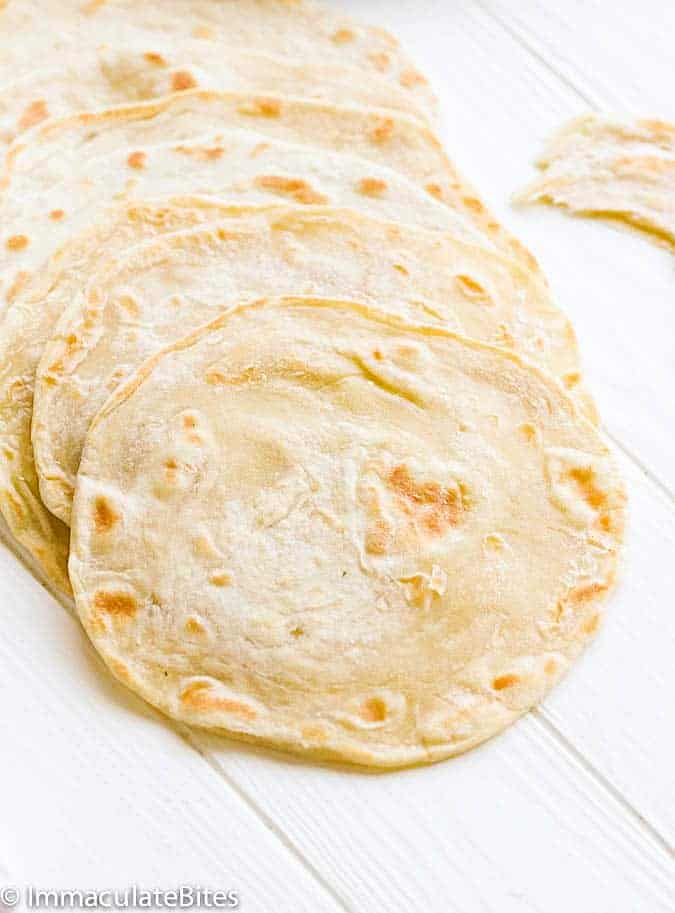
This delightful flatbread is super simple to throw together with just five ingredients and a little patience. Rolling and coiling the dough for a flaky flatbread is so worth the little time it takes. And it’s a must-have side for any East African dish.
I love kneading bread dough because it’s so relaxing. Plus, it develops the gluten for that satisfying chew we enjoy with flatbreads. Then the coil makes it light and flaky, and brushing the outer layers with oil gives it a delicately crispy edge.
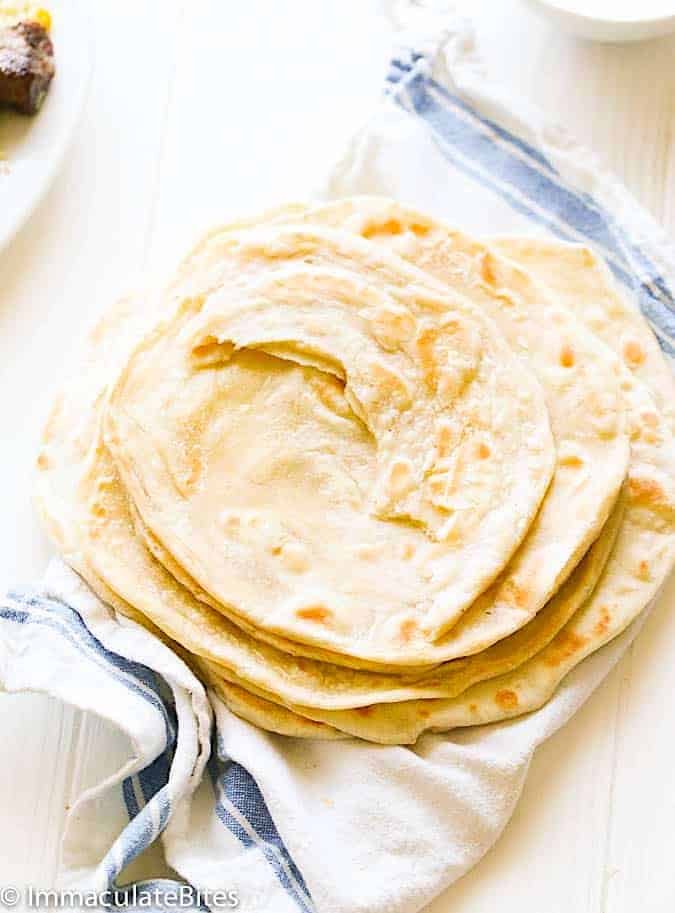
Where Does Chapati Come From?
If you’ve tried East African food, especially from Tanzania, Uganda, Mozambique, Kenya, and Burundi, you are familiar with the unleavened pan-grilled bread—chapati. It’s different from Indian chapati because it’s coiled and also enjoys the deliciousness of either ghee or oil. Most say it was born in Egypt and has been in the East African culinary heritage for millennia.
How to Make Chapati
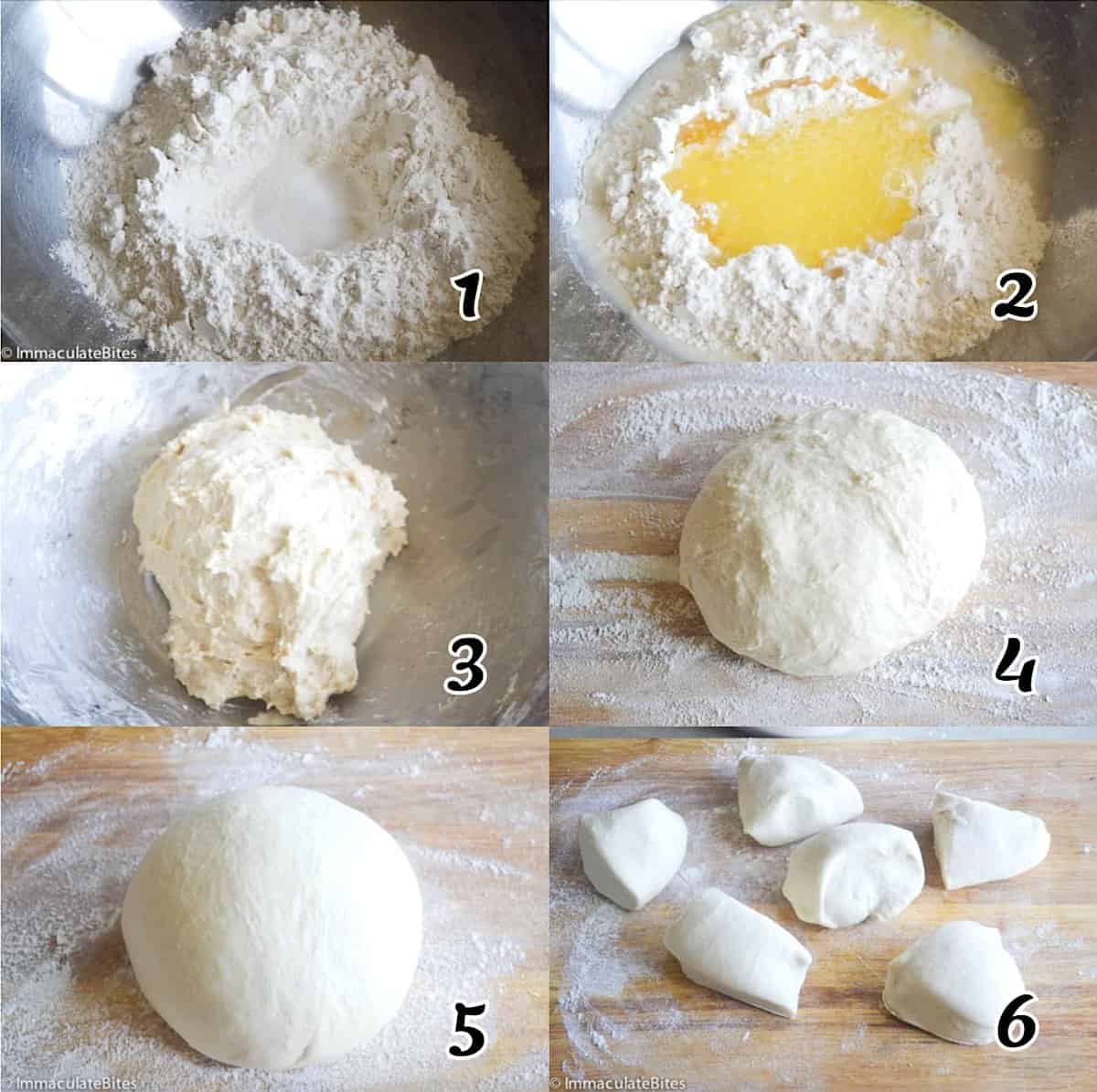
- Make the dough, knead it, let it rest, then divide it into 6-8 balls.
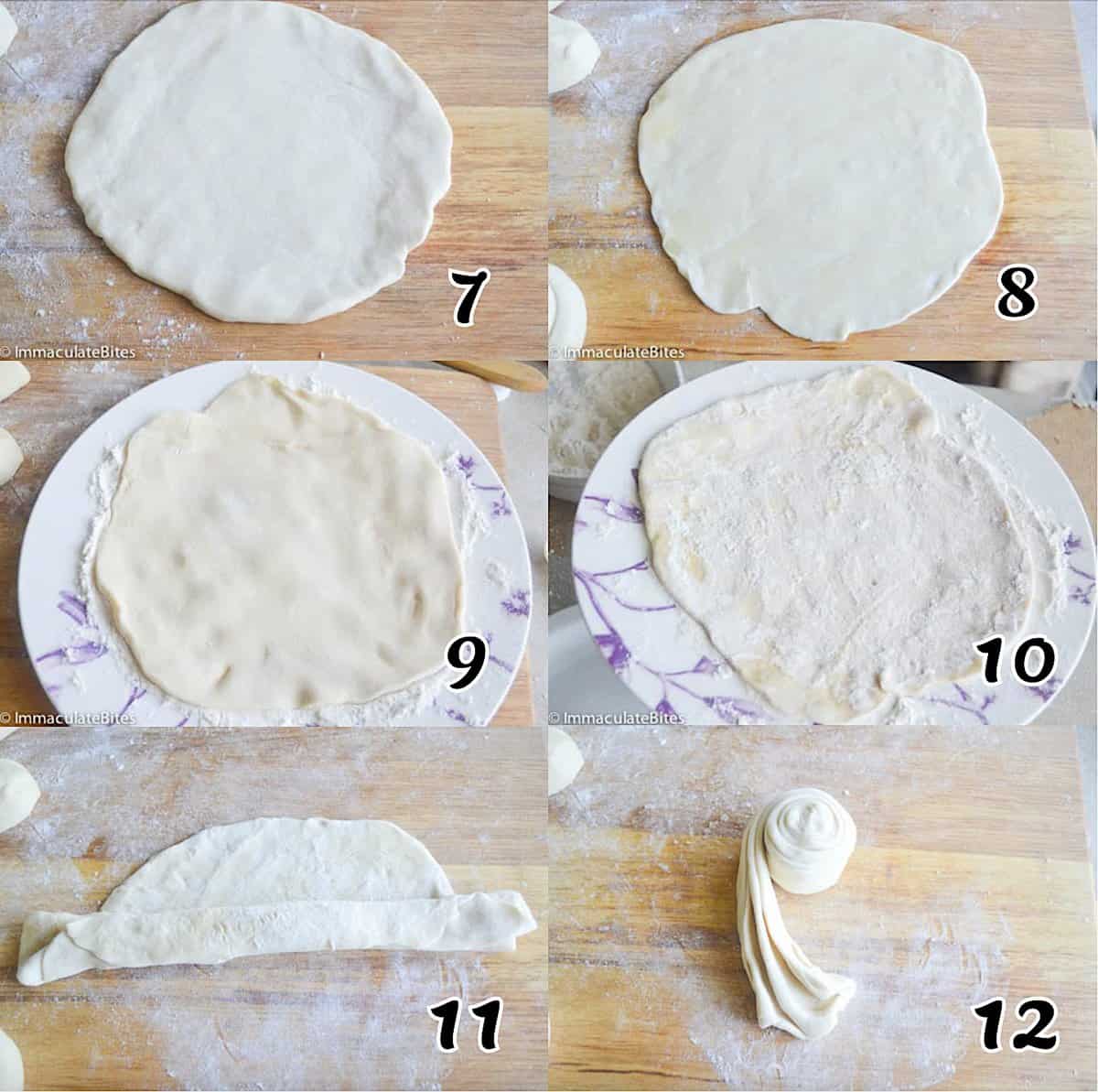
- Roll the balls into circles and dust them with flour so they don’t stick together. Fold them like a fan, then coil them.
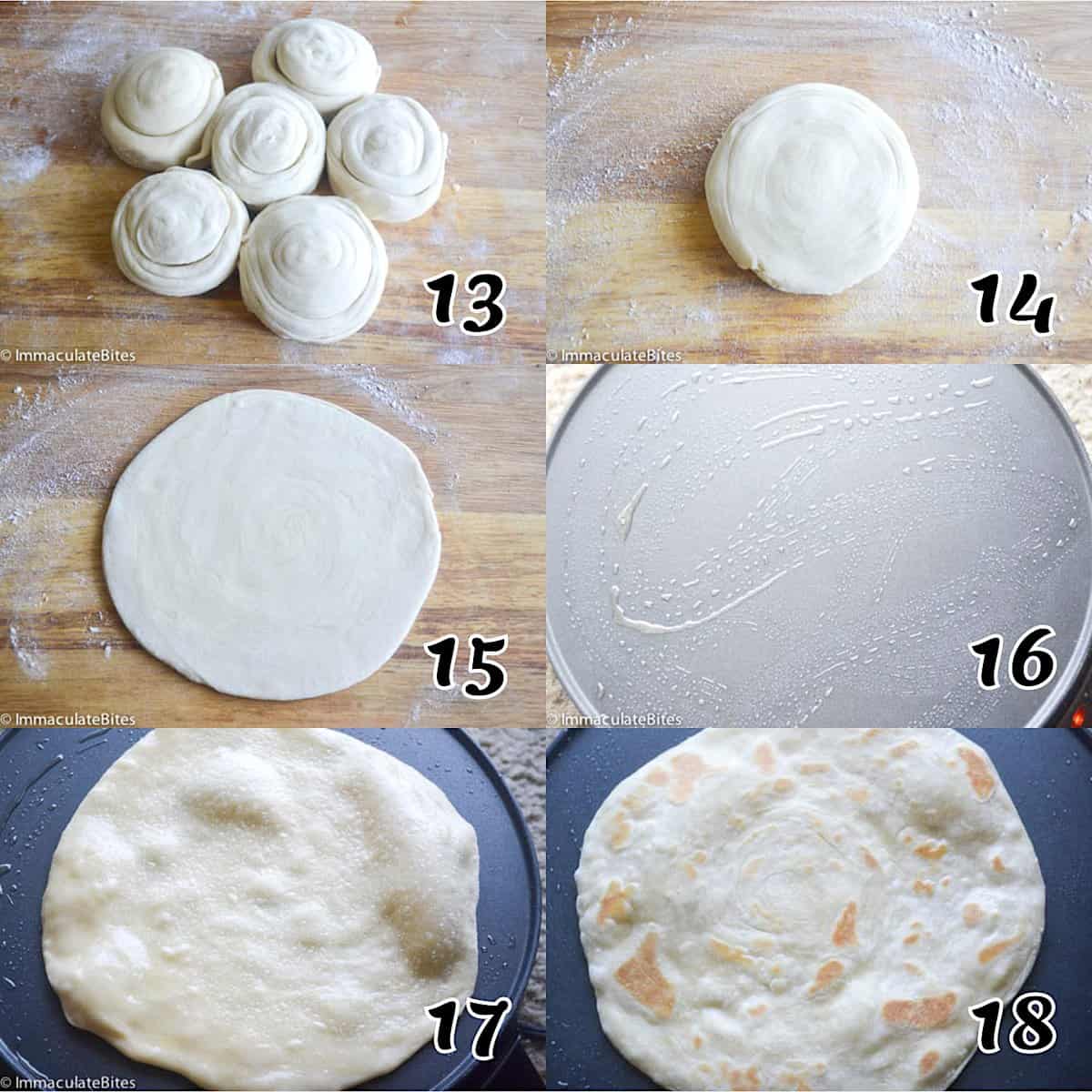
- Roll the coiled balls back into a circle and cook on an oiled griddle.
Recipe Twists and Tips
- You can add grated veggies, such as carrots, squash, and potatoes, to the dough, like in Kenyan chapatis or vegetable omelets in Uganda.
- Use a 50/50 water-to-milk ratio to make softer flatbreads.
- A non-stick pan helps prevent the bread from sticking and burning.
Make-Ahead and Storage Instructions
You can make the dough ahead, transfer it to a covered bowl, and refrigerate it for 24 hours. Allow it to rest at room temperature for an hour before rolling it into individual chapatis.
Or you can freeze the raw dough or chapatis for three months. Allow the dough to thaw and come to room temperature before cooking.
Flatbread keeps in the fridge for up to a week or in the freezer for 3-4 months. Heat them in a hot skillet for 30 seconds or wrap them in a paper towel and zap them in the microwave on medium-low for a few seconds, but the skillet is better.

Mouthwatering Recipes You Can Use With Chapati
Dip chapati in curry sauce or make a steak wrap sandwich for more deliciousness. Curry channa and aloo, African peanut stew, ground beef curry, Jamaican curry goat, and crockpot beef tips & rice are great choices.
More Comforting Flatbread Recipes to Try
Watch How to Make It
[adthrive-in-post-video-player video-id=”1m5Y3sEi” upload-date=”2019-04-01T06:51:26.000Z” name=”East African Chapati” description=”East African Chapati- Easy to make chapati that are Flaky, layered and Delicious. Made with a few simple ingredients.”]
This blog post was originally published in June 2014 and has been updated with additional tips, new photos, and a video.
Chapati Recipe
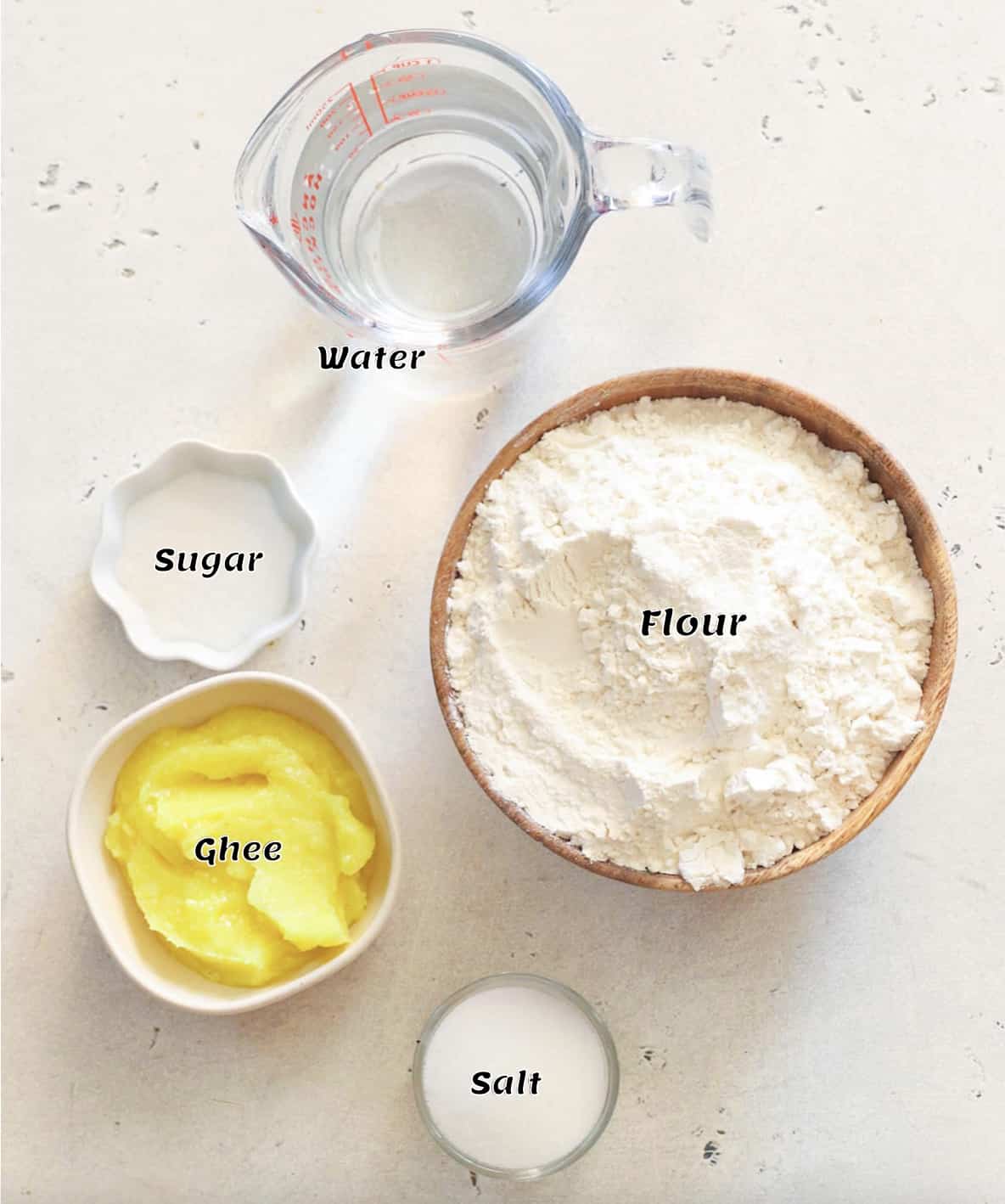
Ingredients
- 3 cups (360g) all-purpose flour
- 1 teaspoon (4g) sugar
- 1½ teaspoons (7-8g) salt
- 3 tablespoons (42g) ghee (clarified butter or oil)
- 1¼ cup (295ml) warm water
Instructions
- In a large bowl, add flour and make a well, then add sugar and salt, followed by water and ghee or oil.
- Knead to form a soft and sticky dough.
- Place dough on a heavily floured board and knead for 8-14 minutes. Continue to flour dough as needed to facilitate kneading. Be careful not to overdo it. The dough should be soft, elastic, and smooth.
- Divide dough into 6 or 8 pieces according to preference and let it rest. Resting helps to relax the gluten and makes it not only easier to work with but also produces tender chapati.
- Using a rolling pin, roll out the dough balls into a circle. They don't have to be perfect.
- At this stage, you may cook them. However, if you want chapatis with layers, follow the next steps.
- Lightly oil chapati dough with ghee. Be gentle.
- Then place the dough on a heavily floured plate, and press the dough down.
- Turn it over and press down again – lightly shake off excess flour.
- Shape dough like you would shape a paper fan – starting at one end and folding all the way to the opposite end.
- Then coil it up – like in the picture.
- When all the dough circles have been coiled, cover them with a damp cloth and let them rest for 20 minutes.
- Gently flatten each coiled ball and roll it out. Begin rolling from the center, working outwards.
- Rotate the dough out each time you roll it. That helps to make a perfect circle. Make sure they are not rolled out too thin. Chapatis are not meant to be thin – a ¼-inch thickness is good.
- Oil the pan. Then place the chapati on it. I used a crepe pan, but a skillet works just as well.
- Heavily oil the other side of the dough, making sure you oil the edges too.
- Cook for 2-3 minutes, rotating as needed until golden brown. Serve warm.
Tips & Notes:
- The right amount of kneading is crucial. Gluten won’t develop well without it, changing the texture. Also, oil makes the chapati soft and prevents it from drying out.
- Lukewarm water creates a smoother, more supple dough, but remember to add it gradually so the dough doesn’t get too wet.
- Resting time is also essential since it makes the dough easier to roll without breaking apart.
- Please remember that the nutritional information is a rough estimate and can vary significantly based on the products used in the recipe.



I’m going to try this recipe can I make in advance or does it need to be done as you need them. TIA
Hi Chris. Yes, you can make chapatis in advance. After they have cooled completely, stack them with a layer of parchment or wax paper between each chapati to prevent sticking. Place the stack in an airtight container or a resealable plastic bag and store in the refrigerator for up to a week or freeze for longer storage. When ready to use, reheat in a skillet for about 30 seconds on each side, or until warmed through. You could also reheat in an oven wrapped in foil paper at 350°F (175°C) for about 10 minutes or Wrap them in a damp paper towel and microwave on high for about 30 seconds to 1 minute. Be cautious not to overheat as they can become tough. Hope this helps.